
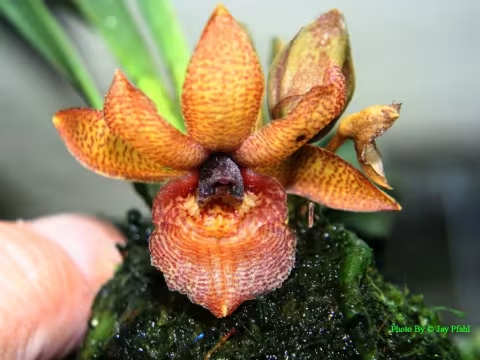
Chaubardiella
Chaubardiella
Chaubardiella is a genus of small epiphytic orchids belonging to the Orchidaceae family. Native to the tropical rainforests of Central and South America, these plants thrive in humid, shady environments.
What the section contains

Chaubardiella
Successful cultivation requires moderate, diffused light. Intense direct sunlight should be strictly avoided, as it causes leaf bleaching and tissue damage in these delicate tropical specimens.
The optimal temperature range is between 18 and 24 degrees Celsius. Maintaining consistent temperatures without sudden drops is essential for the healthy development of pseudobulbs and flower spikes.
A well-draining, loose substrate is vital for Chaubardiella. A mix of pine bark, charcoal, and perlite or sphagnum moss provides the necessary aeration and moisture retention for epiphytic roots.
Watering frequency depends on the evaporation rate in the growing environment. Keep the medium consistently moist but never waterlogged to prevent root suffocation and subsequent decay.
The primary threats to Chaubardiella are fungal and bacterial rots, typically triggered by high humidity combined with poor air circulation. Overwatering is the most common cause of root and stem decay.
Pests such as spider mites and scale insects are frequently encountered in dry conditions. These pests damage the plant by feeding on cell sap, leading to stunted growth and leaf deformation.
Integrated pest management, including regular inspection and the use of insecticidal soap or specialized systemic pesticides, is recommended for controlling infestations in orchid collections.
Preventative measures include ensuring proper air ventilation around the plant and maintaining optimal humidity levels. Stagnant air is a major catalyst for disease development in tropical orchids.
If chemical treatment is necessary, ensure the environment is well-ventilated during application. Always isolate affected plants to prevent the spread of pathogens to other specimens in the collection.