
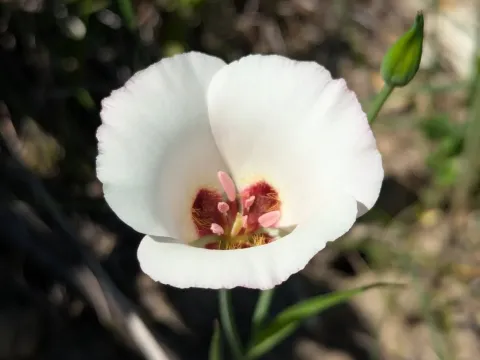
Calochortus
Calochortus
Planting of Calochortus bulbs is best performed in the autumn when soil temperatures drop, allowing the plant to establish its root system during the dormant period. Proper timing is essential to ensure the bulbs survive the winter.
What the section contains
 Calochortus albus
Calochortus albus
Calochortus albus
 Calochortus amabilis
Calochortus amabilis
Calochortus amabilis
 Calochortus amoenus
Calochortus amoenus
Calochortus amoenus
 Calochortus hybrids
Calochortus hybrids
Calochortus hybrids
 Calochortus kennedyi
Calochortus kennedyi
Calochortus kennedyi
 Calochortus macrocarpus
Calochortus macrocarpus
Calochortus macrocarpus
 Calochortus uniflorus
Calochortus uniflorus
Calochortus uniflorus
 Elegant Mariposa Lily
Calochortus elegans
Elegant Mariposa Lily
Calochortus elegans
 Sego Lily
Calochortus nuttallii
Sego Lily
Calochortus nuttallii
 Tolmie's star-tulip
Calochortus tolmiei
Tolmie's star-tulip
Calochortus tolmiei
 Yellow mariposa lily
Calochortus luteus
Yellow mariposa lily
Calochortus luteus
Calochortus
For regions with harsh climates, container gardening is highly recommended to protect the sensitive bulbs from freezing soil. When planting in the open ground, ensure a depth of 5 to 10 centimeters with adequate spacing between individual bulbs.
Starting from seeds is a professional approach that requires careful stratification for several weeks to break dormancy. Germination is slow, and the soil moisture must be kept consistent but not soggy throughout the process.
The chosen site must offer excellent drainage and full sun exposure to mimic the natural habitats of the prairies and mountain slopes. Avoiding wind-swept areas is crucial to prevent the delicate stalks from breaking.
Mulching the soil surface after planting is a vital practice that helps regulate soil temperature and keeps the moisture levels consistent during the early stages of root development in the spring.
Calochortus is a diverse genus belonging to the Liliaceae family, native primarily to western North America. It is characterized by its distinct, often hairy or beautifully patterned petals that differentiate it from other bulbous flowers.
The soil must be well-draining, porous, and neutral to slightly alkaline in terms of pH. Heavy clay soils are unsuitable and will almost inevitably lead to root rot if not heavily amended with grit or sand.
This crop requires a high amount of sunlight; anything less than full sun will result in spindly growth and poor flowering performance. Sufficient light exposure is the primary driver of carbohydrate production in the bulb.
Moisture management is the most critical aspect of the crop's agrotechnics. During the growing season, regular but moderate watering is necessary, while the bulbs must be kept relatively dry during their dormant summer phase.
Fertilization should be applied sparingly, with a focus on balanced low-nitrogen mixes. Excessive nutrition can lead to lush green growth at the expense of floral development, which is the primary value of the crop.
The primary diseases affecting Calochortus are fungal pathogens such as Botrytis and Fusarium. These issues are almost always associated with high humidity, poor soil drainage, or stagnant air around the plants.
Pests, particularly aphids, thrips, and bulb mites, can be problematic. Regular monitoring is necessary, especially during the spring growth flush, as these insects can quickly compromise the plant's health and appearance.
Nematodes are a silent threat that damages the root zone, often causing stunted growth that is difficult to diagnose without inspecting the bulb. Using certified, disease-free planting material is the best defense.
Small rodents such as voles can be destructive during the winter dormancy period. Physical protection methods, like buried wire cages or mesh, are often required in garden settings to secure the bulb population.
- Inspect bulbs for any signs of decay before planting.
- Maintain proper plant spacing to ensure optimal air circulation.
- Rotate planting sites every few years to prevent soil-borne pathogen buildup.