
Calochortus macrocarpus
Calochortus macrocarpus
Description
Sowing dates
Calochortus macrocarpus is primarily propagated through seeds, which require cold stratification to break dormancy. Sowing should ideally take place in the autumn, allowing the seeds to undergo natural seasonal temperature fluctuations.
For successful germination, a well-draining, sandy soil mix is essential to mimic the plant's natural habitat. Seeds should be sown at a shallow depth of about 0.5–1 cm to ensure proper oxygen exchange and moisture balance.
Seedlings typically emerge in early spring as soil temperatures rise. During this stage, consistent but light moisture is critical, as the young bulbs are highly susceptible to both drought and waterlogging.
Growth is notably slow during the initial year, with plants forming only a single leaf while developing the bulb system. Transplanting young plants is discouraged until they have reached a stage of sufficient maturity.
Utilizing fresh, properly cleaned seeds is vital for high viability. In professional settings, seeds are often calibrated to ensure uniform planting density and reliable emergence across the entire field.
Growing requirements
Native to Western North America, Calochortus macrocarpus belongs to the Liliaceae family. It is naturally adapted to dry, open prairies and rocky hillsides, requiring an environment that mimics these harsh conditions.
The plant thrives in full sun, demanding high light intensity for optimal development. Shady areas will negatively impact the plant’s vigor, typically leading to weak stems and significantly reduced flower production.
The soil must have excellent drainage, as the species is prone to bulb rot if exposed to standing water. A mix of gritty, mineral-rich soil with low organic content is generally preferred for cultivation success.
As a drought-tolerant species, it requires little supplemental irrigation once established. Its life cycle is perfectly timed to take advantage of spring moisture, followed by a hot, dry summer dormancy.
Temperature management is crucial, with a need for a clear distinction between the cool, wet winters and the hot, dry summers. This cycle is essential for triggering the plant's natural developmental phases.
Main diseases and pests
Fungal pathogens are the most significant threat to this crop, particularly during periods of high humidity or poor soil drainage. Root rot and bulb decay can spread rapidly if conditions are too damp.
Pests such as voles and ground squirrels find the bulbs highly palatable and can cause significant damage to plantations. Protecting the planting site with physical barriers is often a necessary agronomic measure.
Soil-borne insects and certain species of nematodes can also affect plant health by damaging the root system. Regular field monitoring is necessary to detect infestations before they reach critical levels.
Proactive management includes the application of preventative fungicides during bulb storage and planting. Ensuring optimal spacing between plants helps maintain airflow, which further limits fungal growth.
Crop rotation and keeping the soil free of decaying organic matter are foundational practices to reduce the population of soil-borne pathogens and protect the longevity of the planting.
Harvesting
Harvesting bulbs or seeds is conducted only during the plant's dormant phase, identified by the complete yellowing and senescence of the foliage. This ensures that the energy has been transferred back into the bulb.
After excavation, bulbs should be cleaned of soil and cured in a dry, shaded area with excellent ventilation. Proper curing prevents post-harvest rot and prepares the bulbs for storage or replanting.
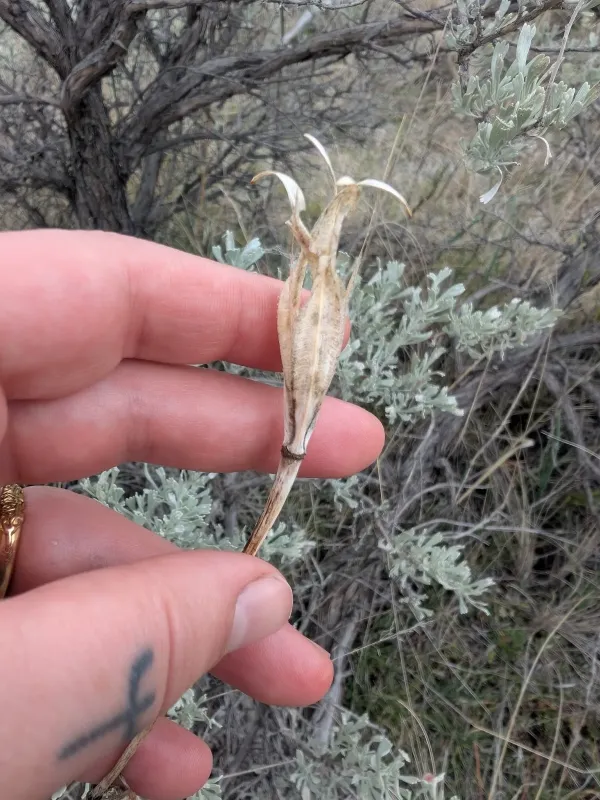
Seed collection occurs once the capsules start to dehisce. It is imperative to monitor the field closely to harvest just before the seeds are released, ensuring minimal loss of yield.
Stored seeds and bulbs must be kept in cool, dry conditions. Using breathable packaging materials helps maintain the viability of the planting material throughout the non-growing season.
Strategic timing of the harvest allows for the preservation of high-quality reproductive material, which is essential for maintaining the productivity and health of the crop in subsequent years.