
Calochortus amabilis
Calochortus amabilis
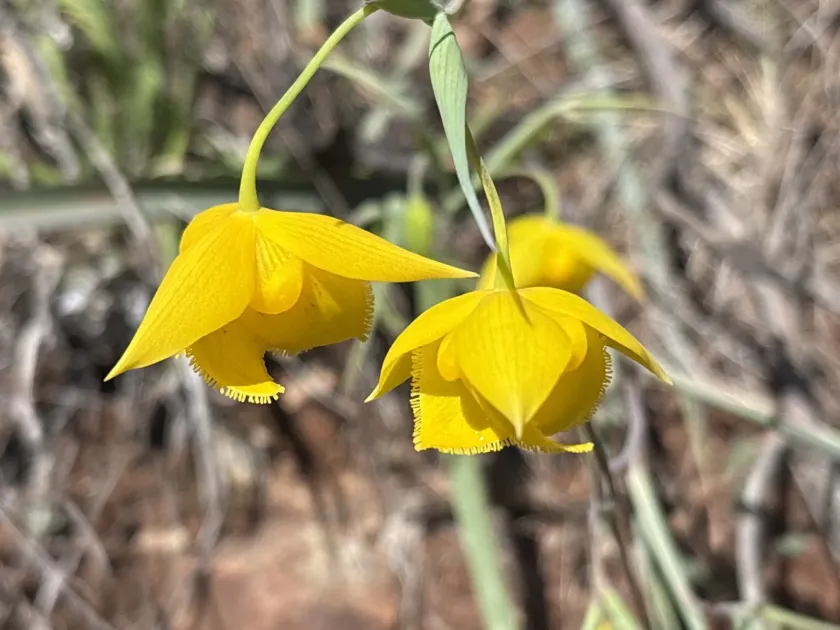
Description
Sowing dates
The planting of Calochortus amabilis bulbs is best performed in the autumn season, allowing the root system to establish before the winter dormancy period. Ensure that the planting site is chosen carefully to avoid future disturbances.
When planting, bulbs should be placed at a depth of approximately 5 to 8 centimeters. The soil must be loose and well-worked to facilitate initial root growth without resistance.
For those propagating via seeds, a cold stratification period is essential to break dormancy. Sown seeds typically require a few years of careful management before the first flowers appear.
Proper spacing is crucial to prevent overcrowding and ensure adequate airflow around the foliage. This reduces the risk of moisture accumulation between plants, which is common in denser plantings.
Using a sandy substrate layer under each bulb provides an immediate drainage cushion. This simple technique is highly effective in preventing water-related rot during the rainy months.
Growing requirements
Calochortus amabilis is a member of the Liliaceae family, native to California. It thrives in open, sunny environments, and its botanical characteristics are perfectly adapted to Mediterranean-style climates.
The soil requirements for this species are specific: it demands excellent drainage and a neutral to slightly acidic pH level. Heavy soils must be amended with gravel or sharp sand to mirror the natural rocky slopes where these plants originate.
Regarding climate, the plant requires a distinct wet season for growth followed by a pronounced dry season for dormancy. Maintaining this cycle is the most important aspect of successful cultivation in garden settings.
The plant prefers moderate temperatures and is sensitive to extreme heat buildup at the root level. Providing mulch or strategic placement can help maintain cooler soil conditions during peak summer.
Fertilization should be kept to a minimum, as these plants have adapted to nutrient-poor soils. Excessive nitrogen applications can lead to weak growth and increased susceptibility to various plant pathogens.
Main diseases and pests
Fungal diseases are the primary threat, often resulting from excessive soil moisture or poor drainage conditions. Rot at the base of the bulb is the most common cause of failure in this species.
Pests such as wireworms and various soil nematodes can damage the bulb tissue. Routine inspection of the soil environment is recommended to catch potential infestations before they become critical.
In moist springs, slugs and snails can cause significant damage to the emerging foliage. Implementing protective barriers or using organic-friendly deterrents is necessary in regions with high mollusk activity.
Overwatering during the dry dormancy period effectively acts as a death sentence for the bulb. Ensuring the site remains arid throughout the summer is essential to prevent decay.
Viral infections can affect the long-term health of the plant, often introduced by aphids. Maintaining a clean garden and controlling insect vector populations helps ensure the plants remain vigorous and disease-free.