
Yellow mariposa lily
Calochortus luteus
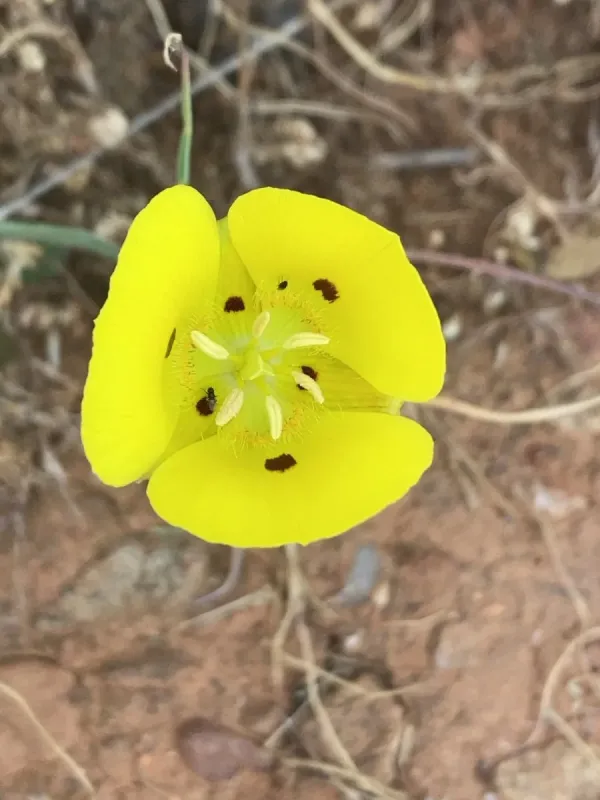
Description
Sowing dates
Planting of Calochortus luteus bulbs is typically scheduled for the autumn, allowing the plants to establish roots in cool soil before the winter dormancy period begins.
In regions with severe frost, it is highly recommended to plant these bulbs in containers, which provides the flexibility to move the plants to a frost-free shelter during extreme conditions.
A planting depth of approximately 5 to 10 centimeters is considered standard, ensuring that the bulb is adequately covered while allowing for efficient emergence of the sprout.
For those interested in propagation by seeds, sowing should be done in cold frames during late winter to benefit from natural stratification, which drastically increases success rates.
Maintaining proper spacing of 10–15 centimeters between bulbs is crucial for optimal airflow, which helps in preventing fungal issues and competition for nutrients.
Growing requirements
The yellow mariposa lily belongs to the Liliaceae family and thrives in well-draining, sandy, or gritty soils that mimic its native Californian environment.
The soil should have a neutral to slightly acidic pH and must be structured to avoid any water accumulation, as moisture retention is the primary cause of bulb failure in this species.
Calochortus luteus requires high solar exposure to reach its full potential, making open, sun-drenched locations ideal for the development of its characteristic yellow blooms.
Watering needs are specific: regular moisture is necessary throughout the active growth phase, whereas the plant demands a dry dormant period following the flowering stage.
Supplemental fertilization should be kept to a minimum, using low-nitrogen, high-potassium formulas to support root health and bulb development rather than excessive foliage growth.
Main diseases and pests
The most significant threat to Calochortus luteus is fungal infection caused by damp conditions, such as root rot or Botrytis, which can quickly destroy the bulb.
Pests such as aphids or spider mites may occasionaly attack the plants, particularly when grown in confined areas with restricted air circulation.
Prevention is centered on site selection, ensuring the soil is light and porous, and maintaining dry conditions after the foliage begins to yellow at the end of the season.
Regular monitoring of the foliage and bulbs is essential for identifying early signs of stress or pest colonization, allowing for prompt chemical or physical intervention.
Applying preventative fungicide treatments to the bulbs before planting is an effective strategy to mitigate the risks associated with soil-borne pathogens.