
Calochortus uniflorus
Calochortus uniflorus
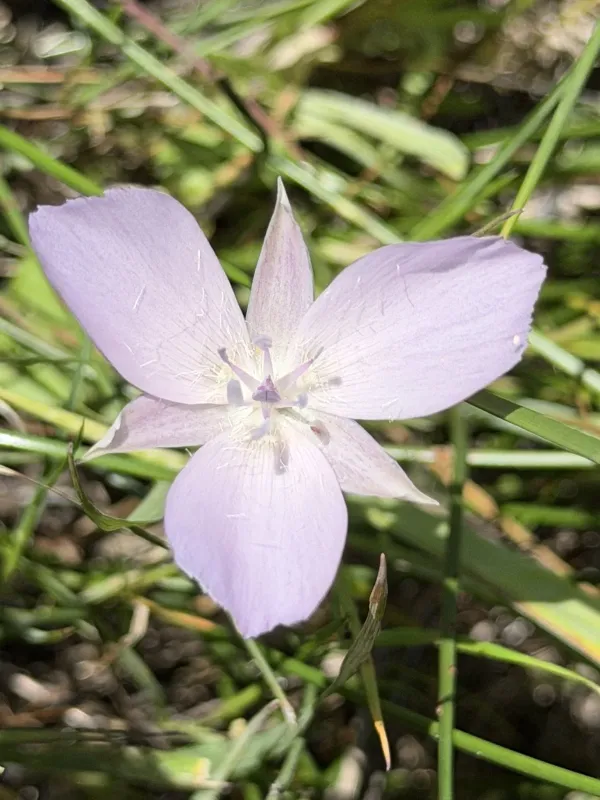
Description
Sowing dates
Planting of Calochortus uniflorus bulbs is best performed in the autumn season when soil temperatures have cooled down. This allows the root system to establish itself before the arrival of hard frosts.
Spring planting may be attempted in regions with mild climates, but autumn remains the gold standard to ensure proper dormancy and future spring development.
Bulbs should be planted at a depth of 7–10 centimeters. In light, sandy soils, a slightly deeper planting helps protect the bulbs from extreme temperature fluctuations.
Spacing between plants should be approximately 10–15 centimeters. This ensures that each plant receives enough nutrients and that there is adequate airflow to prevent fungal issues.
When container gardening, ensure high-quality, free-draining soil mixes and position pots in a location that mimics a natural dry summer period for the bulbs.
Growing requirements
Calochortus uniflorus is a member of the Liliaceae family, known for its elegant, solitary flowers. It is native to specific North American habitats that favor high drainage.
The primary requirement for this species is perfect soil drainage. These plants are extremely sensitive to waterlogged conditions, which will quickly cause the bulbs to rot.
The ideal substrate is a light, sandy, or gritty mix with a neutral to slightly acidic pH. Incorporating organic matter is beneficial, but fresh manure should be strictly avoided.
These plants thrive in full sun conditions. While they are resilient, providing protection from intense midday heat in arid zones can help prolong the flowering period.
Watering should be frequent during the active growth phase in spring but must be sharply reduced as the foliage begins to yellow to allow the bulbs a necessary dry resting phase.
Main diseases and pests
Fungal rots caused by excessive humidity or poor soil drainage represent the most significant threat to the health of Calochortus uniflorus populations.
Powdery mildew can occasionally appear in crowded plantings with stagnant air, necessitating better spacing and the use of targeted systemic fungicides.
Pests such as bulb flies can be problematic, as their larvae bore into the bulb, causing rapid decline. Monitoring for signs of wilting is essential for early detection.
Slugs and snails can cause significant damage to emerging shoots in early spring, requiring physical barriers or non-toxic bait to protect the young growth.
Maintaining a strict dry dormancy period is the most effective preventative measure against most soil-borne pathogens and bulb-related diseases.
Harvesting
Bulb harvesting should only occur after the foliage has fully withered and dried. This ensures that the energy has been completely translocated back into the bulb.
Once lifted, bulbs should be cleaned gently, dried in a shaded, well-ventilated area for several days, and inspected for any signs of decay or damage.
Stored bulbs must be kept in a cool, dry place. Temperatures between 10 and 15 degrees Celsius are ideal for maintaining dormancy throughout the winter months.
Avoid stacking bulbs in large piles, as this can trap moisture. Using paper bags or breathable mesh containers is recommended for optimal air circulation during storage.
In regions with reliable, dry winters, bulbs may be left in the ground. However, they should be covered to prevent excessive moisture, which is the primary cause of winter loss.