
Calochortus hybrids
Calochortus hybrids
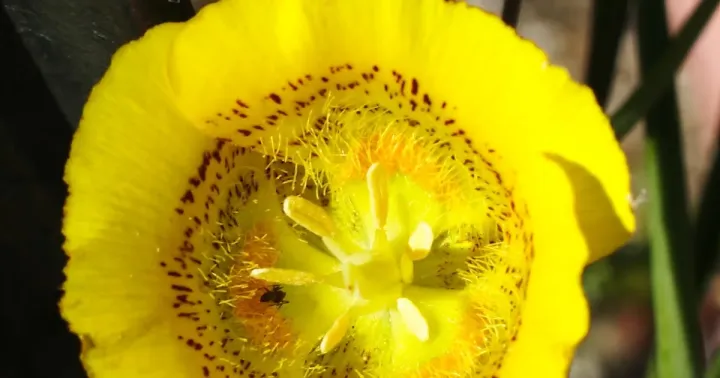
Description
Growing requirements
Calochortus hybrids are ornamental bulbous plants belonging to the Liliaceae family. They are highly sought after by collectors for their intricate, bowl-shaped flowers, often featuring delicate hairs on the petals, giving them a unique texture.
Originating from the arid and mountainous regions of North America, these plants thrive in environments that mimic their natural habitat. They require exceptionally well-drained, gritty, or sandy soils to prevent moisture from pooling around the bulbs.
Climate requirements include a distinct dry summer dormancy period, which is critical for the long-term survival of the bulbs. They perform best in sunny locations sheltered from cold, damp winds, ensuring the crown remains dry during the winter months.
Agricultural practice involves minimal watering during the spring growing season and avoiding nitrogen-rich fertilizers. The ideal pH for most hybrids is neutral to slightly alkaline, ensuring that the bulbs receive sufficient micronutrients without the risk of rot.
These plants are primarily used in specialized rock gardens, alpine houses, and containers. While they are considered challenging for beginners, modern hybrids have been selected for improved vigor and better adaptability to garden cultivation.
Main diseases and pests
The primary threats to Calochortus hybrids are fungal diseases, particularly rot-related issues such as Botrytis and Fusarium. These pathogens often emerge when the planting medium remains too wet for extended periods, causing the bulb to decay.
Common pests that pose a threat include bulb mites and the narcissus bulb fly. These organisms can burrow into the bulb, destroying internal tissues and introducing secondary bacterial infections that lead to plant collapse.
Preventative care is essential and includes treating bulbs with fungicide before planting and ensuring that the drainage system is functioning perfectly. Avoid using fresh manure or high-nitrogen organic compost, as these attract pests and promote fungal growth.
During the growing season, gardeners should monitor for aphids, which can stunt growth and transmit viral diseases. Insecticidal soaps or targeted systemic treatments can be effective, provided they are applied during the cooler parts of the day.
Cultivation success relies on mimicking a dry, rocky environment. Providing adequate spacing between plants ensures better air circulation, which naturally reduces the risk of pest infestations and disease development throughout the year.