
Calochortus albus
Calochortus albus
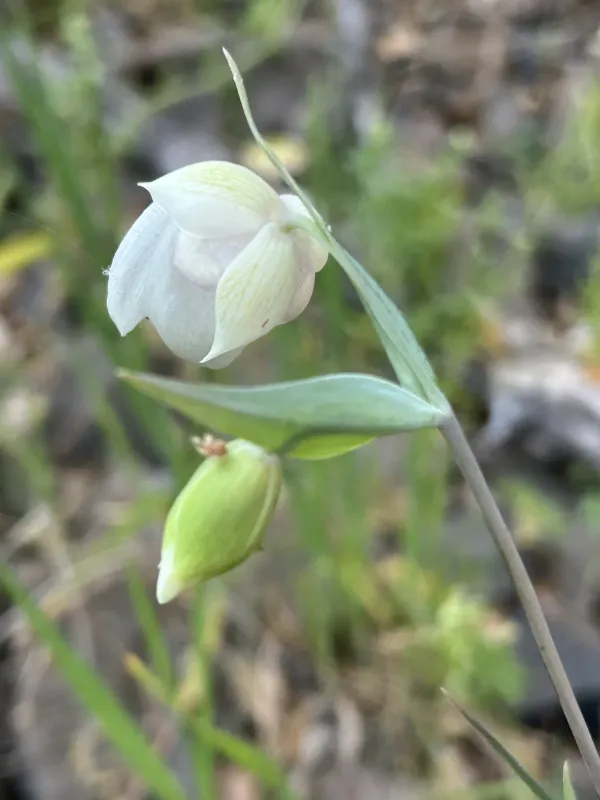
Description
Sowing dates
Calochortus albus, commonly known as the white globe lily or fairy lantern, is a bulbous perennial belonging to the Liliaceae family. For optimal results in garden cultivation, bulbs should be planted in early autumn when soil temperatures have cooled sufficiently.
Bulbs should be buried at a depth of approximately 8 to 10 centimeters in well-drained, porous soil. Ensuring a spacing of about 15 centimeters between bulbs is essential to prevent overcrowding and allow each plant to receive adequate nutrients and airflow.
In regions with harsh winters, pot cultivation is a preferred method. Bulbs are planted in containers during late summer, which allows them to establish roots before experiencing the necessary period of winter dormancy required for spring blooming.
Propagation via seeds is also possible but requires a dedicated period of cold stratification to break dormancy. Seeds should be sown in a light, sandy substrate in late winter or early spring, keeping the environment consistently moist until germination occurs.
Proper site preparation is critical: remove all perennial weeds and integrate grit or sharp sand into the native soil. This practice significantly improves drainage, which is the most important factor in maintaining healthy bulbs throughout the growing cycle.
Growing requirements
Native to the woodlands and grassy slopes of California, this plant thrives in environments that offer plenty of dappled light or full sun. Protection from harsh, drying winds is recommended to preserve the delicate structure of the stems and flowers.
The soil profile must be loose, gritty, and lean. A neutral to slightly acidic pH is ideal for the development of the bulb. Heavier soils must be amended with mineral-based drainage material to ensure the bulb does not remain in wet conditions for extended periods.
Watering habits should mimic the natural Mediterranean climate of its origin. During the active growing season in spring, keep the soil moderately moist; however, cease all watering once the foliage begins to yellow and die back for the summer dormant period.
Thermal stability is a key success factor during the winter months. While they enjoy a cold period, they should be protected from hard frosts and extreme waterlogging. A light layer of pine needles or organic mulch can help regulate soil temperature effectively.
Avoid excessive fertilization, as Calochortus species are adapted to nutrient-poor soils. If necessary, a small amount of low-nitrogen, potassium-rich fertilizer can be applied during the early growth stage to support flower development.
Main diseases and pests
The primary threats to Calochortus albus are fungal pathogens, specifically those causing basal and bulb rots. These diseases are almost exclusively induced by stagnant water and poor soil aeration, which weaken the plant's natural defenses.
Pests such as bulb mites and soil-dwelling larvae can cause significant damage to the bulb tissue. Pre-planting treatment of bulbs with appropriate systemic fungicides or insecticides can help mitigate these risks during the initial growing stages.
Slugs and snails are notorious for consuming the young, tender foliage during the spring emergence. Protective measures, such as copper barriers or eco-friendly bait, should be implemented early to preserve the integrity of the plant's photosynthetic capacity.
Bacterial soft rot can occur if the plant is subjected to high humidity and temperatures without adequate air movement. Ensuring proper spacing and keeping the crown of the plant dry can significantly reduce the incidence of such infections.
Regular monitoring is essential for early detection of issues. Any plant exhibiting symptoms of stunted growth, discoloration, or premature wilting should be carefully excavated and inspected, with infected specimens removed to prevent the spread to adjacent healthy bulbs.