
Calochortus amoenus
Calochortus amoenus
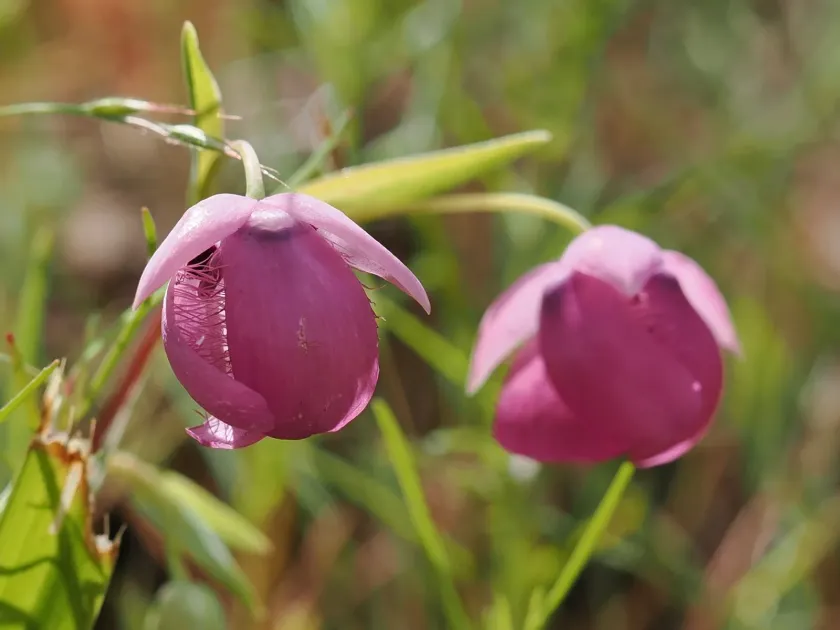
Description
Growing requirements
Calochortus amoenus, commonly known as the rosy globe lily or fairy lantern, is a bulbous perennial belonging to the Liliaceae family. It is native to the woodlands and grasslands of California, where it thrives in specific ecological niches.
The plant requires extremely well-drained, porous soil to survive. In cultivation, a mix of sand, grit, and organic matter is typically used to prevent the water retention that invariably leads to the rot of the delicate bulb.
Light requirements are high, as the species performs best in full sun or light partial shade. It requires a distinct cycle of cool, wet springs followed by warm, dry summers to complete its biological development properly.
When grown as an ornamental crop, it is often kept in pots to strictly control the moisture levels during the dormancy period. It is not suitable for regions with heavy, damp winters, as frost combined with moisture can be fatal.
Propagation is primarily achieved through seeds or the separation of offsets, although the latter is a slow process. Professional cultivation focuses on replicating the mediterranean climate patterns required for healthy flowering and bulb maturation.
Main diseases and pests
Fungal pathogens represent the primary threat to the health of Calochortus amoenus. Botrytis and various forms of root rot thrive in humid conditions, necessitating strict adherence to irrigation schedules.
Pests such as aphids are known to colonize the flower buds, which can lead to stunted growth or transmission of viral diseases. Regular monitoring and the use of gentle systemic insecticides are recommended.
Slugs and snails are major hazards during the early vegetative phase, as they are attracted to the young, tender leaves emerging from the soil. Protective barriers or bait stations are essential components of garden management.
Bulb mites can pose a severe threat if the storage conditions during the summer dormancy are not sufficiently dry. Infested bulbs often show signs of decay or failure to sprout in the following spring.
To ensure sustainable yield and aesthetic quality, cultivators must practice good hygiene, including the removal of dead foliage and the use of sterile growing media to prevent soil-borne diseases.