
Elegant Mariposa Lily
Calochortus elegans
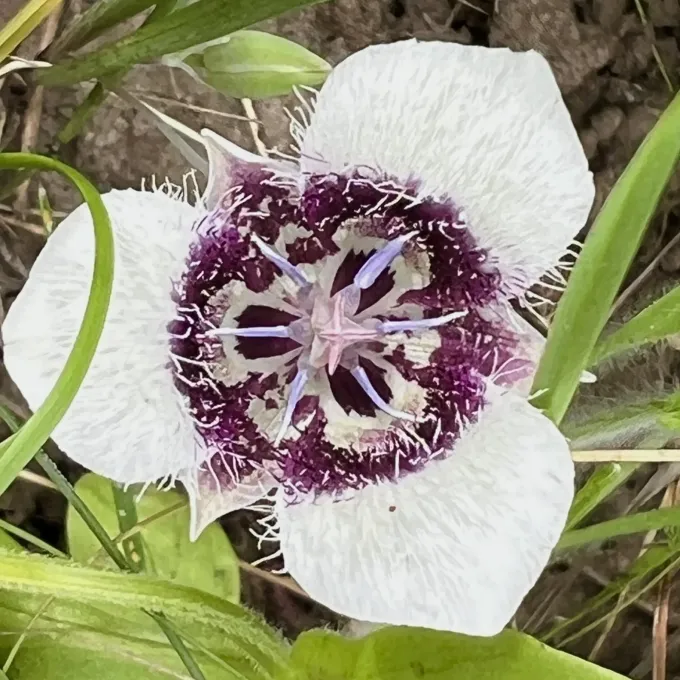
Description
Sowing dates
Calochortus elegans, a member of the Liliaceae family, is propagated through seeds or the separation of bulblets. Seed propagation requires a period of cold stratification, making autumn sowing in outdoor beds or cold frames the preferred method to break dormancy.
When sowing seeds, it is crucial to use a well-draining, gritty seed-starting mix. The seeds should be sown shallowly, barely covered with fine grit or sand, to ensure optimal germination rates and to prevent the delicate seedlings from rotting in damp conditions.
Vegetative propagation via bulblets is the most reliable method for maintaining the desired characteristics of the cultivar. Bulblets are separated during the plant's dormant period, once the foliage has completely withered and the energy has shifted to the underground storage organs.
For planting bulbs, a depth of 5–8 centimeters is generally recommended, depending on the local climate and soil texture. Providing sufficient spacing between individual plants is essential to facilitate air circulation and minimize the spread of moisture-related diseases.
Successful establishment relies on gentle handling of the bulbs, as they are prone to mechanical damage. Once planted, keeping the site relatively dry during the dormant season is key to preventing the bulbs from rotting before they begin their spring growth cycle.
Growing requirements
The primary environmental requirement for Calochortus elegans is excellent soil drainage. Naturally found in dry, stony, or sandy habitats, the plant cannot survive in heavy or waterlogged soils, which invariably lead to the rapid development of fungal rot in the bulbs.
Full sun to partial shade is ideal, depending on the specific intensity of the light in a given climate. The plants require bright light to produce robust foliage and high-quality flowers, but they may appreciate light shade during the hottest parts of the day in warmer regions.
Moisture management is critical; the plants need regular, moderate moisture during the spring growth phase but require a distinct dry period during the summer dormancy. Mimicking this natural cycle is the secret to longevity and successful flowering in garden settings.
The soil should be nutrient-poor to average; overly rich or heavily fertilized soils can encourage excessive foliage growth at the expense of floral development. A sandy, mineral-based substrate that mimics the natural drainage of mountain slopes is typically perfect.
Temperature tolerance is moderate, as the species is adapted to cooler, mountain-influenced environments. Proper winter protection, such as mulching, helps maintain consistent soil temperatures and prevents the freeze-thaw cycles that can heave bulbs out of the ground.
Main diseases and pests
Fungal pathogens, particularly those causing bulb and root rot, are the most significant threats to this culture. Ensuring that the soil moisture levels do not exceed the plant's requirements is the most effective form of preventative management.
Soil-borne pests like wireworms and white grubs can severely damage the bulb structure, often leading to secondary infections. Applying preventative soil treatments or using mesh cages when planting can significantly reduce the risk of subterranean pest attacks.
Aphids can be a nuisance during the early stages of growth, affecting the development of the flower buds and leaves. Prompt detection and the use of targeted, low-toxicity insecticides are usually sufficient to manage these populations effectively.
Small rodents and voles pose a constant risk, as the bulbs serve as a food source during the winter months. Protecting bulbs with wire mesh baskets is a standard practice for gardeners aiming to prevent total loss of their ornamental collections.
Viral infections can lead to stunted growth and mottled foliage. Since these diseases are incurable, early detection and the removal of affected plants are necessary to protect the health of the remaining population in the garden.