
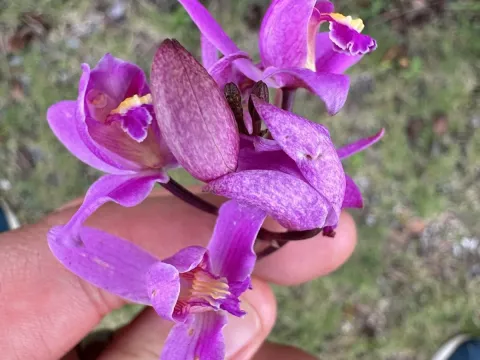
Bletia
Bletia
Bletia is a genus of terrestrial, perennial orchids within the family Orchidaceae. Native to the tropical and subtropical regions of the Americas, these plants have adapted to diverse environments ranging from humid forests to grassy clearings, which defines their specific biological requirements.
What the section contains


Bletia
The plant is characterized by the presence of underground pseudobulbs that store water and nutrients, allowing the plant to survive adverse conditions. Its foliage is deciduous in most species, meaning the leaves wither during the dormant season, which is a natural phase of its growth cycle.
In cultivation, Bletia requires a well-draining, nutrient-rich substrate. Unlike many epiphytic orchids, terrestrial species need a soil-based mix that retains moisture without becoming waterlogged, as poor drainage is the primary cause of root failure.
Light intensity should be maintained at a moderate level. While these plants require plenty of energy for blooming, direct solar radiation can damage the leaf tissue, so bright, filtered light is the optimal condition for healthy vegetative development.
Temperature management is critical during the dormancy period. Reducing the temperature and water intake signals the plant to rest, ensuring better energy accumulation for the next flowering cycle. Proper ventilation is also essential to maintain gas exchange and prevent fungal colonization.
The primary threats to Bletia include fungal pathogens such as Pythium and Rhizoctonia, which cause root rot under conditions of high humidity and poor air circulation. Implementing a robust crop rotation or changing the growth media periodically can mitigate these risks.
Pests like aphids and spider mites are common in greenhouse environments. These pests tend to target the tender new leaves and flower spikes, requiring prompt monitoring and the application of targeted horticultural treatments to preserve the aesthetic value of the plant.