
Bletia florida
Bletia florida
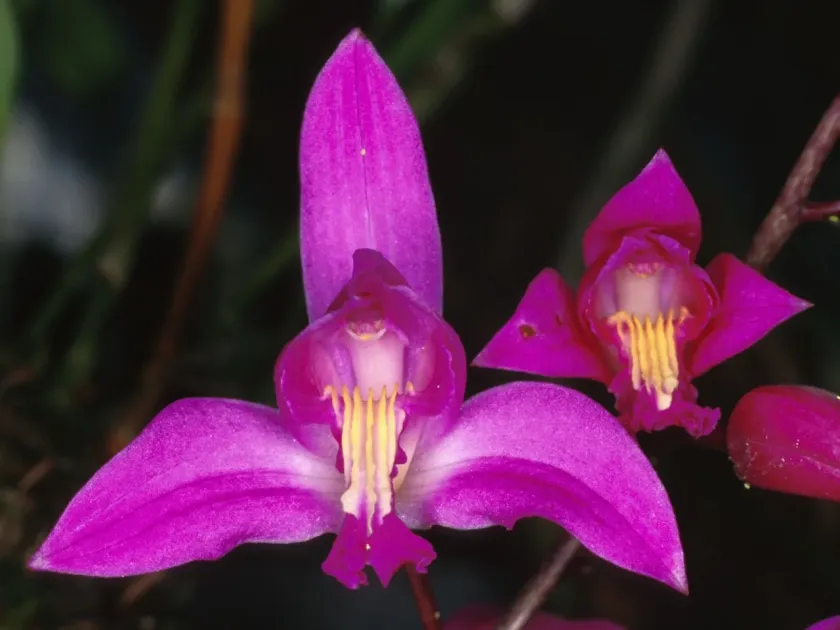
Description
Sowing dates
Propagation of Bletia florida is primarily achieved through the division of pseudobulbs during the plant's dormant period. The ideal time for this procedure is early spring, just before the new growth phase begins.
Seed propagation is a complex, specialized process that requires in vitro conditions and symbiotic fungi to support seedling development. Due to these technical requirements, it is rarely practiced by individual growers.
When dividing pseudobulbs, it is crucial to ensure that each section has enough healthy roots and energy reserves to support future growth. Clean and sterilized tools must be used to prevent the spread of pathogens.
After division, plants should be placed in well-draining pots using a fresh orchid-specific substrate. Proper potting ensures that the root system can access both oxygen and moisture without becoming waterlogged.
Post-division care involves maintaining a stable environment with moderate humidity levels to assist the plant in recovering and establishing its root system in the new medium.
Growing requirements
Bletia florida is a terrestrial orchid belonging to the Orchidaceae family, native to regions that provide warm and temperate climates. Understanding its natural habitat is key to successful cultivation.
The growing medium must be highly porous to ensure efficient gas exchange and water drainage. A mix of bark, perlite, sphagnum moss, and organic components provides the necessary structural support for the roots.
Bright but filtered light is essential for the healthy development of this orchid. Direct sun exposure should be avoided as it often leads to leaf scorching and physiological stress.
Irrigation management requires consistency, ensuring the substrate remains moist but never saturated. In the dormant winter season, watering should be significantly reduced to mimic the natural dry cycle of the species.
Temperature regulation is critical, with optimal ranges varying between active growth and dormancy. Providing a slight temperature drop during the night promotes better flowering performance.
Main diseases and pests
Root and bulb rot are the primary threats, usually caused by overwatering or poor substrate aeration. These conditions promote the growth of fungi that can rapidly damage the plant's underground structures.
Common pests include spider mites and scale insects, which are attracted to the orchid if the ambient air is too dry or stagnant. Infestations weaken the plant and can lead to secondary infections.
Mealybugs are another frequent pest, characterized by cotton-like masses found in leaf axils. Early detection and treatment with appropriate systemic insecticides are vital to prevent large-scale spread.
To maintain plant health, it is essential to monitor leaves regularly, ensure good air circulation, and use quality potting mixes. Keeping the growing area clean reduces the risk of pest colonization and disease development.
- Regular inspection of leaf undersides for mites.
- Maintenance of proper humidity to discourage pests.
- Prompt isolation and treatment of any infected specimens.