
Bletia catenulata
Bletia catenulata
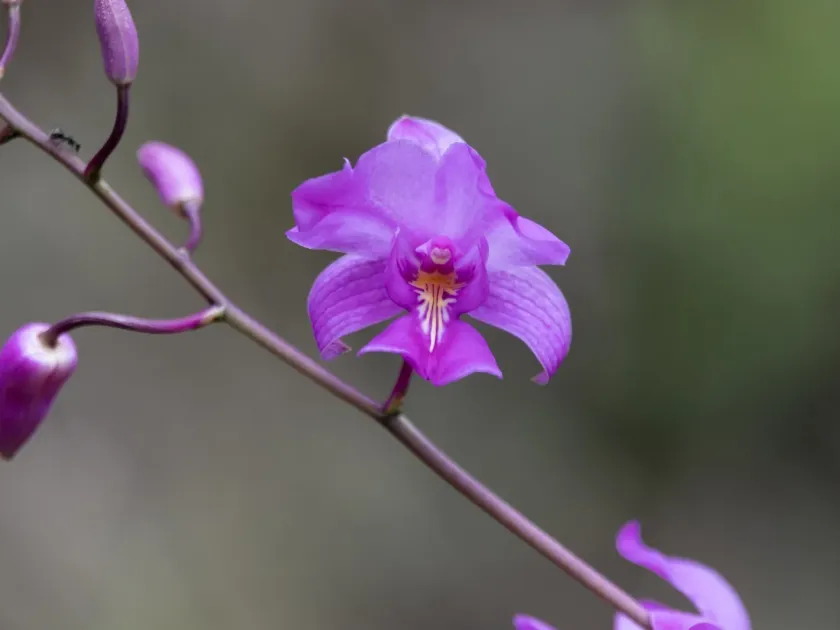
Description
Growing requirements
Bletia catenulata is a perennial terrestrial orchid belonging to the Orchidaceae family. It is native to the tropical regions of South America, specifically found in countries like Peru, Ecuador, and Brazil, where it thrives in humid forest conditions.
Botanically, this species is characterized by distinct pseudobulbs that support long, pleated, lance-shaped leaves. Its impressive inflorescence, which displays vibrant purple-pink flowers, is the primary reason for its popularity in the decorative floriculture industry.
Successful cultivation requires a well-draining, loose growing medium that mimics natural forest soil. A blend of organic matter, bark, and perlite is ideal for ensuring that oxygen can penetrate the root zone without causing water stagnation.
The climate requirements include a stable temperature range of 18 to 25 degrees Celsius. Bletia catenulata prefers high ambient humidity levels and requires protection from harsh, direct sunlight, which can damage the foliage and inhibit blooming potential.
Agrotechnical maintenance includes consistent fertilization during the active growing season using balanced, low-salt liquid fertilizers. Maintaining a consistent watering schedule is essential, ensuring the medium remains damp but is never allowed to become waterlogged.
Main diseases and pests
Common health issues for this orchid include fungal rots, such as root rot and leaf spot, which are frequently triggered by improper ventilation or excessive moisture. Providing adequate airflow is critical to prevent the development of these pathogens.
Major pests affecting this culture include spider mites and scale insects. Maintaining hygiene in the growing environment and utilizing appropriate acaricides or systemic insecticides at the first sign of infestation are necessary steps to protect the plant's structural integrity.