Zav'yaz'
ТОВ «ОРТОН (Російська Федерація, Московська обл.
Plant Growth Regulator
0
0
·
47
33 offers
6 €per 1 l
Buy
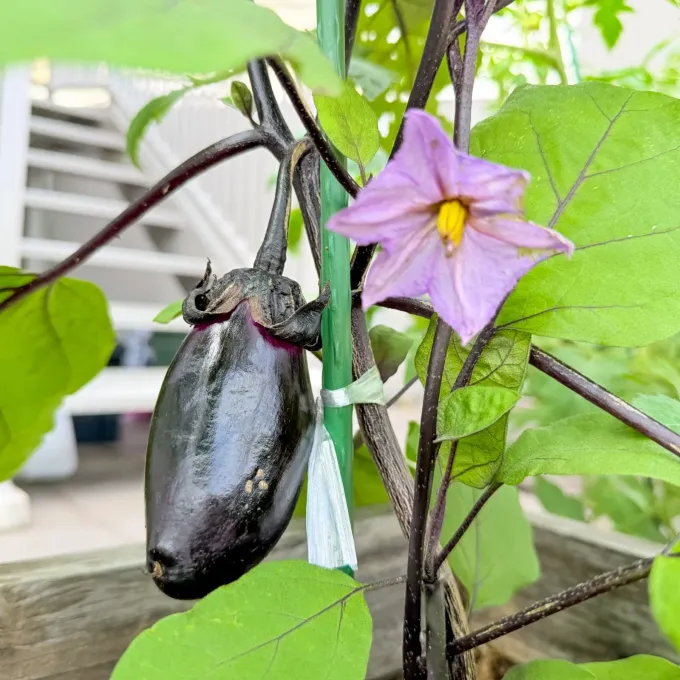
The eggplant (Solanum melongena L.) is a thermophilic vegetable belonging to the Solanaceae family. Originating from Southeast Asia, it is now a widely cultivated crop worldwide.
In temperate climates, eggplant is cultivated using the seedling method. Seeds are sown 60 to 80 days before the expected planting date, typically starting in late winter or early spring.
For successful germination, temperatures must be maintained between +25 °C and +28 °C. Once seedlings emerge, providing bright light is essential to prevent etiolation.
Pricking out seedlings should be handled with care to minimize damage to the root system, as eggplants are notoriously sensitive to transplanting shock.
Plants are moved to the field or greenhouse only after the danger of frost has passed and soil temperatures have reached at least +15 °C.
Eggplants are extremely demanding in terms of climate. They thrive in temperatures ranging from +22 °C to +30 °C; any significant drop below +15 °C can lead to stunted growth and flower drop.
The ideal soil is fertile, loose, and well-drained, with a neutral pH level. Avoiding land previously used for other nightshades, such as tomatoes or potatoes, is crucial for disease management.
Sunlight is vital for this crop. It is a short-day plant, and insufficient light leads to poor fruit set and reduced yields. Optimal site selection must prioritize maximum daily exposure to sunlight.
Regular irrigation is necessary to keep the soil consistently moist but not waterlogged. Irregular watering can result in fruit deformation and poor flavor development.
A balanced fertilization program is required, focusing on sufficient potassium during the fruiting phase to ensure high quality and uniform fruit size.
Eggplants are susceptible to various pests, most notably the greenhouse whitefly, which thrives in protected environments and can devastate entire crops.
Common pests also include various moths (Pyralidae family), the beet armyworm, and the California scale insect, which can attach to stems and reduce overall plant vigor.
Fungal diseases like verticillium wilt, fusarium wilt, and alternaria leaf spot pose significant threats, especially in humid conditions with poor air circulation.
Integrated pest management (IPM) is highly recommended, involving a combination of biological controls, sanitation, and judicious use of insecticides to protect the harvest.
Harvesting should occur when fruits reach their technical maturity. They should be firm, glossy, and possess the characteristic color of the specific variety.
Delayed harvesting is detrimental to quality; as fruits over-ripen, their skin becomes dull and tough, and the seeds inside become bitter and woody.
Using a sharp tool to cut the fruit stem is essential to protect the fragile plant from mechanical damage. Leaving a short segment of the stalk helps maintain post-harvest freshness.
After harvest, fruits should be handled delicately and cooled promptly. Proper storage conditions involve temperatures around +8...+10 °C and high humidity to prevent shriveling.
The yield potential of the eggplant depends heavily on consistent moisture and nutrient availability throughout the growth cycle, ensuring continuous fruit development.