
Bittersweet nightshade
Solanum dulcamara L.
Description
Growing requirements
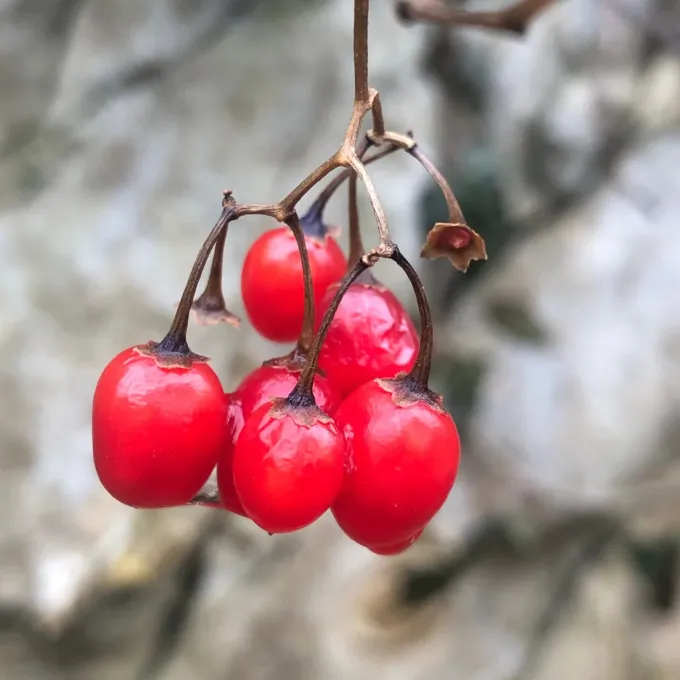
Bittersweet nightshade (Solanum dulcamara L.) is a perennial semi-shrub belonging to the Solanaceae family. It is characterized by its scrambling, vine-like stems that can reach up to 3 meters in height. The plant utilizes a persistent, creeping rhizome system, which facilitates its spread in suitable environmental conditions.
Native to Europe and Asia, this species has naturalized across various continents. It thrives in wetland areas, including riverbanks, swampy thickets, and damp hedgerows. Agriculturally, it prefers nutrient-dense, moist loam soils that maintain a neutral pH level throughout the growing season.
The plant demonstrates significant tolerance for varied climatic conditions, particularly in temperate regions. It is highly cold-hardy, allowing it to survive harsh winters. While it prefers partial shade, it is capable of full-sun growth, provided the moisture requirements are adequately met via irrigation or ground humidity.
Economically, the plant is primarily cultivated for the pharmaceutical industry. Its dried stems contain diverse alkaloid compounds and saponins. These substances are extracted for various medicinal applications, though the plant is toxic if consumed raw, requiring careful handling and processing by trained professionals.
Cultivation practices involve establishing supporting structures or trellises, as the plant naturally tends to climb. This method prevents the stems from lying on the ground, which significantly reduces the risk of fungal infections and makes harvesting much more efficient for producers.
Main diseases and pests
The crop is vulnerable to common Solanaceae pathogens, such as late blight and various leaf spot diseases. High humidity combined with warm temperatures can trigger rapid disease progression. Implementing good drainage and spacing is the primary strategy to prevent these issues.
Pest management focuses on controlling aphids, flea beetles, and the Colorado potato beetle. These insects can cause substantial foliage damage if left unchecked. Integrated pest management, including physical removal and biological control agents, is recommended to ensure a high-quality harvest.
Harvesting
Harvesting for medicinal purposes occurs when the plant is dormant. The woody stems are cut in late autumn after the foliage has dropped. The material is then cleaned and dried in a climate-controlled environment to ensure the integrity of the bioactive compounds for further processing.