
Cherry tomato
Solanum lycopersicum L. var. cerasiforme (Alef.) Fosberg
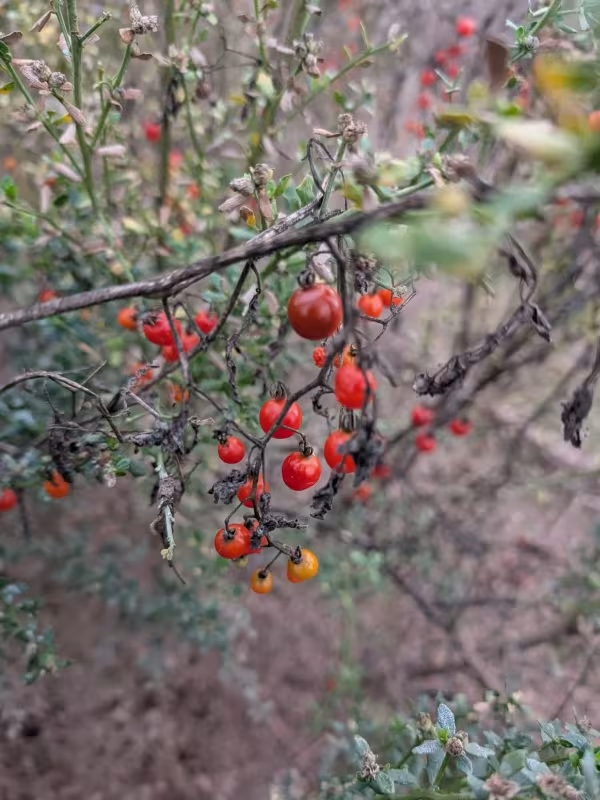
Description
Sowing dates
Cherry tomatoes are typically started from seeds indoors 6 to 8 weeks before the last expected frost. Using high-quality seed starting mix and heat mats significantly improves germination rates for this crop.
Seeds should be sown at a depth of about 0.5 to 1 centimeter. Providing consistent warmth (around 22°C) is essential to ensure strong and healthy seedlings during the early stages of development.
Once true leaves appear, seedlings should be moved to a location with high light intensity to prevent legginess. Supplemental lighting is highly recommended for indoor seed starting.
Transplanting into larger individual containers allows for robust root system formation. This process should be handled with care to minimize root disturbance during the final move to the garden.
Hardening off is a critical step before moving plants outdoors. Gradually exposing seedlings to external environmental conditions over two weeks prepares them for success in the field.
Growing requirements
As a member of the Solanaceae family, the cherry tomato thrives in warm climates with full sun exposure. At least 6 to 8 hours of direct sunlight per day are required for optimal fruit sugar content.
Well-draining, nutrient-rich soil with a pH between 6.0 and 6.8 is ideal. Amending the soil with organic matter like compost improves structure and water retention capacities.
Temperature management is vital; plants perform best when daytime temperatures range from 20°C to 28°C. Extreme heat or cold can interfere with the pollination process and fruit set.
Consistent watering is necessary, especially during flowering and fruit development. Drip irrigation systems are preferred to keep the foliage dry, which helps reduce the incidence of fungal diseases.
Fertilization should be balanced, focusing on nitrogen during the vegetative stage and shifting to higher phosphorus and potassium levels once flowering begins to support crop production.
Yield
Cherry tomatoes are known for their high yield potential, especially in indeterminate varieties that continue to produce until the first frost. Proper pruning is essential for maximizing harvest efficiency.
An average plant can yield several kilograms of fruit throughout the season. Proper support using stakes or trellises is necessary to keep the heavy fruit clusters off the ground.
Fruit size typically ranges from 10 to 30 grams, depending on the variety and cultivation method. Higher light intensity and optimal irrigation significantly improve the sweetness of the harvest.
Strategic thinning of foliage can improve airflow and light penetration, directly resulting in better fruit quality and reduced ripening times for individual clusters.
Continuous harvesting of ripe fruit is the most effective way to keep the plant in a state of high production throughout its life cycle.
Main diseases and pests
Late blight is perhaps the most devastating disease for tomatoes, spreading rapidly in cool, wet conditions. Preventive measures include planting resistant varieties and applying fungicides.
Powdery mildew and early blight are also common threats. Maintaining good ventilation, proper spacing, and consistent sanitation practices are the primary methods of defense.
Pests like aphids, whiteflies, and spider mites can damage plants and spread viral infections. Integrated pest management, including beneficial insects, is often highly effective.
Blossom end rot is a common physiological disorder often caused by irregular watering and calcium deficiency. Maintaining soil moisture stability helps prevent this issue effectively.
- Late and early blight
- Aphids and whiteflies
- Blossom end rot
- Spider mites
Harvesting
Harvesting cherry tomatoes when they reach full color ensures peak flavor. Many growers prefer to harvest by individual fruit, but entire clusters can also be picked at once.
If you intend to store the fruit, harvesting when they are slightly under-ripe can increase shelf life. They will continue to ripen gently at room temperature away from direct light.
Timing the harvest is best done during the morning hours after the dew has evaporated. This practice helps maintain fruit quality and reduces the risk of post-harvest rot.
Properly handled cherry tomatoes can be stored for several days in a cool, well-ventilated area. Refrigeration is generally discouraged as it can negatively alter the texture.
Consistent daily or bi-daily picking is the best strategy to maximize the total seasonal yield of your cherry tomato plants.