
Currant tomato
Solanum pimpinellifolium L.
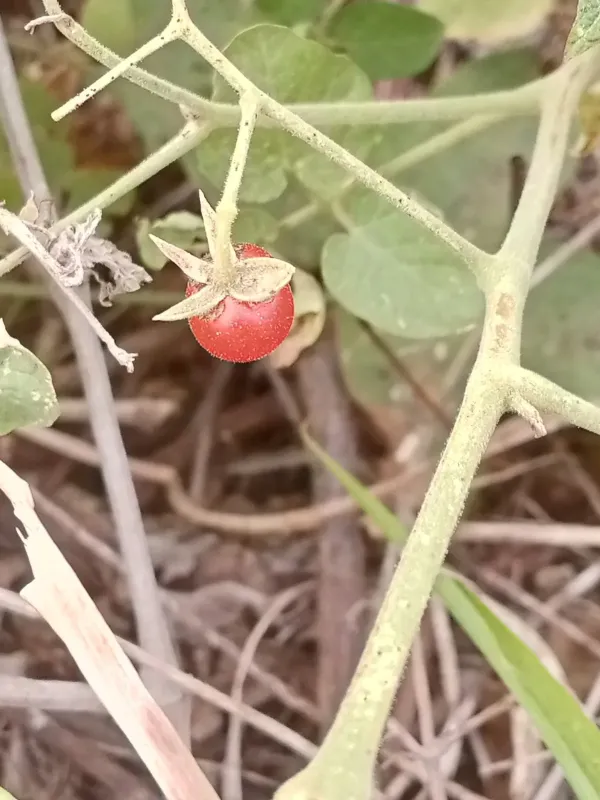
Description
Sowing dates
Seeds of the currant tomato should be sown indoors in late February or early March to ensure a long growing season. This species exhibits vigorous germination and rapid early development compared to many domesticated varieties.
The optimal germination temperature ranges from 22 to 25 degrees Celsius. Seeds are small and should be covered with a very thin layer of fine soil or vermiculite to maintain consistent moisture without suffocating the embryo.
Seedlings should be pricked out into individual pots once the first true leaves emerge. Because the plants grow rapidly, providing high-intensity light is essential to prevent etiolation and ensure a sturdy, compact stem structure.
Transplanting into the garden or greenhouse should occur only after the risk of frost has passed completely. The species possesses a robust root system that helps it establish quickly in its permanent environment.
Spacing is crucial; while the plant is small-fruited, it tends to sprawl extensively. Providing adequate distance between plants ensures good airflow, which is the best cultural defense against potential fungal issues.
Growing requirements
Native to the coastal regions of Ecuador and Peru, the currant tomato is a heliophilic plant. It requires full, direct sunlight throughout the day to achieve peak metabolic activity and fruit production.
The soil should be well-drained and slightly acidic to neutral. While the plant is adaptable, it performs best in rich, sandy loam soils that prevent waterlogging, which is a major enemy of Solanum species.
Temperature-wise, it thrives in warm conditions, preferring days between 20 and 28 degrees Celsius. It is more heat-tolerant than many standard tomato cultivars, making it a valuable candidate for warmer climates.
Due to its intense lateral branching, regular pruning and trellising are recommended. Without support, the plant forms a tangled, dense mat that is prone to humidity-related diseases and makes harvesting difficult.
Watering should be deep but infrequent to encourage deep root penetration. During the fruit-set phase, consistent soil moisture is vital to avoid blossom drop caused by environmental stress.
Yield
The yield of the currant tomato consists of a massive volume of tiny, round fruits, typically about 1–1.5 cm in diameter. These fruits are produced in long, elegant clusters resembling currants, hence the name.
A single, well-managed plant can produce thousands of individual tomatoes over a full growing season. While the fruits are small, the total yield by count is exceptionally high, providing continuous harvests.
The flavor profile is highly intense, often described as sweet, tangy, and complex, making them excellent for fresh consumption. They are highly sought after by gourmet chefs for their aesthetic appeal and concentrated taste.
In agriculture, the primary value of this species is not just the fruit but its genetic contribution to breeding programs. It is a vital source of resistance genes used to improve modern commercial tomato varieties.
The fruit skin is generally thin but resilient, allowing for good shelf life if stored in a cool, dry place. The primary challenge is the labor-intensive nature of harvesting the tiny berries by hand.
Main diseases and pests
The currant tomato is famous for its natural resilience to various soil-borne pathogens. It serves as a genetic reservoir for breeders looking to impart resistance against blight and various wilt diseases.
Despite its toughness, it remains susceptible to late blight if environmental conditions are overly humid and cool. Good cultural management, particularly airflow and vertical training, is the most effective preventative measure.
Common pests include greenhouse whiteflies and spider mites, especially in confined cultivation spaces. Regular inspection of the undersides of the leaves is critical for early detection and mitigation.
Viruses transmitted by aphids and other sucking insects pose a threat. Maintaining a clean garden, free from weeds that act as alternate hosts, is a fundamental step in integrated pest management.
Applying balanced, organic-based nutrients is preferred over synthetic high-nitrogen fertilizers. Excess nitrogen promotes rapid, succulent vegetative growth that attracts aphids and makes the plant more susceptible to fungal pathogens.