


SKU #36830
·
49 views
Zorepad Bilotserkivskyi
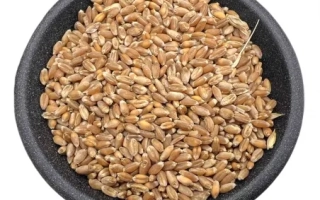
Wheat
User rating
0 votes0% positive reviews
No ratings yet — be the first.
Type of Development
Winter wheat
Wheat Type
Soft wheat variety
Ostistost'
Without stop
Growing Season
90-100 days
Store offers · 1 from 1 stores
Prices are updated on loadLoading offers…
Available at: Хаском Трейд
Aggregator catalog: prices are collected automatically from store websites, normalized by AI and converted at the current exchange rate. Before ordering, confirm the price and availability on the store's website. This block is not indexed by search engines — the data is loaded after the page opens.
About product

Intensive winter wheat variety with superior resistance to fusarium, rust, and lodging.
Type of Development
Winter wheat
Wheat Type
Soft wheat variety
Ostistost'
Without stop
Growing Season
90-100 days
Description
High-Performance Winter Wheat for Sustainable Farming
The "Zorepad Bilo-tserkivskyi" winter soft wheat variety is a product of the O.K. Kolomiiets Bila Tserkva Research Station, engineered for farmers prioritizing predictability and yield potential. This variety stands out by balancing heavy-duty productivity with biological resilience.
Key Operational Strengths
- Field Immunity: The variety shows robust resistance to root rot, fusarium head blight, and brown rust. This inherent protection allows for more efficient fungicide management throughout the season.
- Structural Integrity: Being a beardless variety with a plant height of 80–90 cm, it exhibits excellent lodging resistance. This makes it an ideal candidate for high-input farming systems where high fertilizer rates are utilized to reach its 9–10 t/ha potential.
- Winter Hardiness: With an 8-point winter hardiness rating, it reliably withstands fluctuating temperatures, ensuring consistent field emergence after the winter period.
Agronomic Profile
Optimal crop density is maintained between 4.5–5.0 million productive stems per hectare. With a thousand-grain weight of 45–50 grams, the variety produces well-filled, high-quality grain. A vegetation period of 90–100 days offers operational flexibility, ensuring a manageable and efficient harvest window.
"Zorepad Bilo-tserkivskyi" is the optimal solution for intensive agriculture operations seeking to maximize per-hectare profitability. By mitigating risks associated with common pathogens like powdery mildew and fusarium, it provides a stable foundation for a successful harvest, regardless of seasonal environmental pressures.
Crop & resistance
Crop
Disease resistance
Specifications hover over for a hint about the specification
| Type of Development | |
|---|---|
|
Wheat Type
Wheat Type
Biologically hard wheat differs from soft wheat in its greater demand for soil fertility and agronomic conditions (especially regarding field cleanliness from weeds), lower drought resistance and plasticity, relatively weaker root development, especially nodal roots, and lower ti... |
|
| Ostistost' | |
| Growing Season | 90-100 days |
| Plant; height | 80-90 cm |
| Seed: mass 1.000 pcs seeds | 45-50 grams |
| Winter Hardiness, Ratings (9-1) | 8 |
| Resistance to lodging | |
| Potential Yield | 9-10 tons |
| Number of productive stems per hectare | 4.5-5.0 million pcs |
| Registration year | 2017 |
| Catalog | Catalog → Wheat |
| Legal data |
Show · 1
|
| Country | Ukraine |
Not yet комментариев. Be the first!
Alternatives
Wheat seeds · similar varieties




See also
Often considered together with this variety




Recently viewed
Products you’ve viewed on this site
Reviews · 0