


SKU #59384
·
48 views
Wheat TARASOVSKAYA 70
Wheat
FRSCUser rating
0 votes0% positive reviews
No ratings yet — be the first.
Type of Development
Winter wheat
Wheat Type
Soft wheat variety
Ostistost'
Ostistaya
Plant; height
70-80 cm, 80-90 cm, 90-100 cm
About product

Tarasovskaya 70 is a variety of winter soft wheat intended for cultivation in various climatic conditions, including arid regions. It is distinguished by high resistance to drought, heat, and frost, making it adaptive to the limiting factors of the cultivation zone. The variety has medium winter hardiness, high frost resistance, and resistance to viral diseases, as well as weak susceptibility to s…
Type of Development
Winter wheat
Wheat Type
Soft wheat variety
Ostistost'
Ostistaya
Plant; height
70-80 cm, 80-90 cm, 90-100 cm
Description
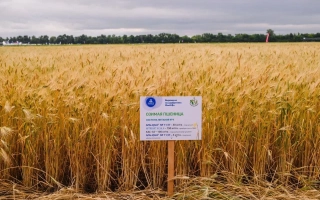
Tarasovskaya 70 is a variety of winter soft wheat intended for cultivation in various climatic conditions, including arid regions. It is distinguished by high resistance to drought, heat, and frost, making it adaptive to the limiting factors of the cultivation zone. The variety has medium winter hardiness, high frost resistance, and resistance to viral diseases, as well as weak susceptibility to snow mold and yellow rust. The plants are of medium height, ranging from 72 to 101 cm, form a dense tillering and productive bushiness, which contributes to high yield.
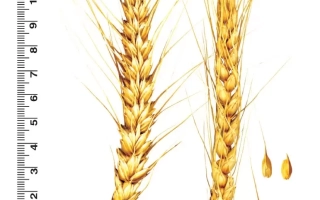
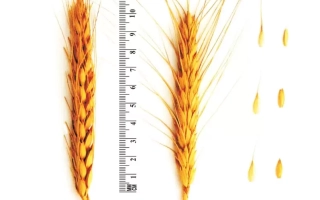
The variety belongs to the semi-intensive type and is characterized by wide ecological plasticity, stability when cultivated on different predecessors, and excellent milling and baking qualities. The ear is cylindrical of medium density, 9-10 cm in length, with short awns and weak waxy bloom. The grain is red, egg-shaped, highly vitreous, and of medium size, with a mass of 1000 grains from 33 to 42 grams. Protein content in the grain is 14.0-16.5 %, gluten - 27.3-36 %, which ensures high flour and bread quality. Baking properties indicators include flour strength of 343 units, dough elasticity of 78 mm, and bread volume from 780 to 1015 ml.
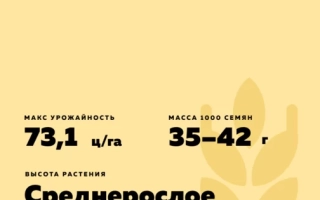
The yield of the Tarasovskaya 70 variety in the Rostov region reaches on average 36.4-36.5 c/ha, with maximum values up to 76.4 c/ha and realized yield up to 91 c/ha. The variety is resistant to lodging at a medium level and has high resistance to waterlogging and stem rot. Thanks to its characteristics and adaptability, Tarasovskaya 70 is a reliable choice for farmers seeking to obtain a stable and high-quality wheat harvest in various agro-climatic conditions.
The variety belongs to the semi-intensive type and is characterized by wide ecological plasticity, stability when cultivated on different predecessors, and excellent milling and baking qualities. The ear is cylindrical of medium density, 9-10 cm in length, with short awns and weak waxy bloom. The grain is red, egg-shaped, highly vitreous, and of medium size, with a mass of 1000 grains from 33 to 42 grams. Protein content in the grain is 14.0-16.5 %, gluten - 27.3-36 %, which ensures high flour and bread quality. Baking properties indicators include flour strength of 343 units, dough elasticity of 78 mm, and bread volume from 780 to 1015 ml.
The yield of the Tarasovskaya 70 variety in the Rostov region reaches on average 36.4-36.5 c/ha, with maximum values up to 76.4 c/ha and realized yield up to 91 c/ha. The variety is resistant to lodging at a medium level and has high resistance to waterlogging and stem rot. Thanks to its characteristics and adaptability, Tarasovskaya 70 is a reliable choice for farmers seeking to obtain a stable and high-quality wheat harvest in various agro-climatic conditions.
Crop & resistance
Crop
Disease resistance
Specifications hover over for a hint about the specification
| Type of Development | |
|---|---|
|
Wheat Type
Wheat Type
Biologically hard wheat differs from soft wheat in its greater demand for soil fertility and agronomic conditions (especially regarding field cleanliness from weeds), lower drought resistance and plasticity, relatively weaker root development, especially nodal roots, and lower ti... |
|
| Ostistost' | |
| Plant; height | 70-80 cm, 80-90 cm, 90-100 cm |
| Seed: mass 1.000 pcs seeds | 30-35 grams, 35-40 grams, 40-45 grams |
|
Grain: gluten content
Grain: gluten content
Raw gluten of grain is a hydrated protein and consists of water-insoluble protein fractions, as well as a small amount of starch, fats, and other substances firmly bound by proteins. Since gluten is primarily composed of proteins, its yield and quality depend on the quantity and... |
25-30%, More than 30% |
| Resistance to lodging | |
| Potential Yield | 8-9 tons, 9-10 tons |
| Registration year | 2013 |
| Catalog | Catalog → Wheat |
| Manufacturer | FRSC |
| Legal data |
Show · 1 |
| Country | Russia |
Store offers
Prices are updated on loadLoading offers…
Aggregator catalog: prices are collected automatically from store websites, normalized by AI and converted at the current exchange rate. Before ordering, confirm the price and availability on the store's website. This block is not indexed by search engines — the data is loaded after the page opens.
Not yet комментариев. Be the first!
Alternatives
Wheat seeds · similar varieties




See also
Often considered together with this variety




Recently viewed
Products you’ve viewed on this site
Reviews · 0