


SKU #4846
·
2 148 views
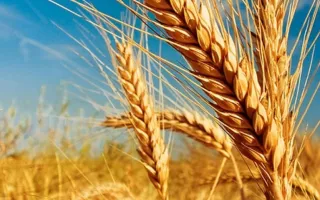
Winter wheat Natalka
Wheat
Prices in stores
from0.3 €per 1 kg
pack from 295.39 € per 1 t
2 offers from 2 stores
Type of Development
Winter wheat
Wheat Type
Soft wheat variety
Grain: gluten content
More than 30%
Resistance to lodging
Very good
Your mark
3 votes
67% positive ratings
Store offers · 2 from 2 stores
2 offers in 2 stores — from 0.3 € per 1 kg.
Available at: Агрозахист · Агропошта
Prices are collected automatically from store websites and converted at the current exchange rate. Check the price and availability on the store website before ordering.
About product
A high-yielding, reliable soft winter wheat variety with over 30% gluten content and exceptional lodging resistance.
Description
Quality and Reliability: Selection by the ICPP NAS of Ukraine
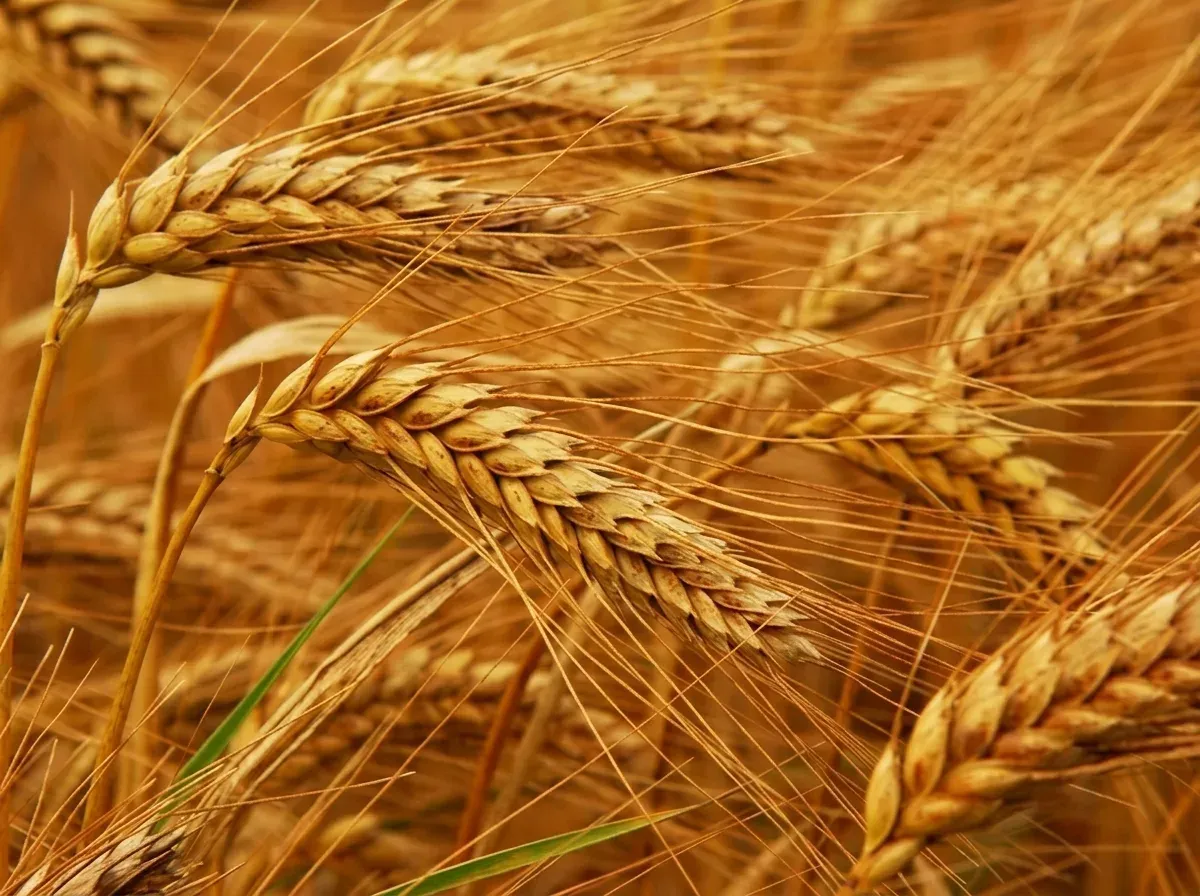
The winter wheat variety "Natalka" represents a milestone in the breeding work of the Institute of Plant Physiology and Genetics of the NAS of Ukraine. This soft wheat variety has secured its position in the market as a robust choice for farms focused on high-quality grain production. It is a classic example of Ukrainian breeding, perfectly adapted to the regional climatic conditions.
Agronomic Profile and Market Position
The core value of this variety lies in the balance between high productivity and superior grain quality. With proper agronomic management, the yield potential can reach 9–10 tons per hectare, making it a strong competitor among intensive cultivation options.
- Grain Quality: The gluten content consistently exceeds 30%, classifying it as high-quality wheat suitable for top-tier baking purposes.
- Resilience: The variety exhibits exceptional resistance to lodging, which simplifies harvesting and prevents yield losses under harsh weather conditions.
- Phytopathological Barrier: "Natalka" possesses strong genetic resistance to brown rust and effective tolerance against powdery mildew and rot, significantly reducing the need for extensive pesticide application during the vegetative period.
The reputation of "Natalka" is built on consistency. For farmers, this means reduced risks in the face of unpredictable climate patterns and the production of a market-demanded commodity with excellent milling properties.
Crop & resistance
Crop
Disease resistance
Specifications
| Type of Development | |
|---|---|
| Wheat Type | |
| Grain: gluten content | More than 30% |
| Resistance to lodging | |
| Potential Yield | 9-10 tons |
| Registration year | 2009 |
| Catalog | Catalog → Wheat |
| Legal data |
Show · 1
|
| Country | Ukraine |
No reviews yet. Be the first to share your experience.
Alternatives
Wheat seeds · similar varieties


See also
Often considered together with this variety




Recently viewed
Products you’ve viewed on this site
Reviews