Sensu — a versatile red technical grape variety originating from southern France and widely cultivated in Western Europe, North Africa, South America, and some regions of former USSR. The vines of this variety have moderate growth vigor, and one-year-old canes mature well. Leaves are medium-sized, round, flat or slightly funnel-shaped, five-lobed with characteristic lily-shaped indentations and triangular teeth. Young shoots have a light green crown with a bronze tinge and dense woolly pubescence with a wine-red hue. Flowers are hermaphroditic, which promotes good pollination and fruit set.
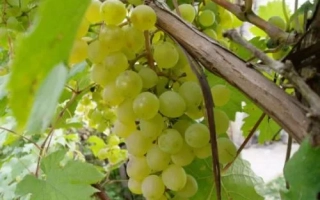
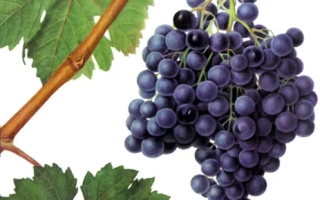
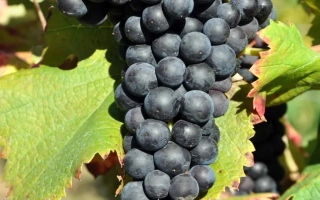
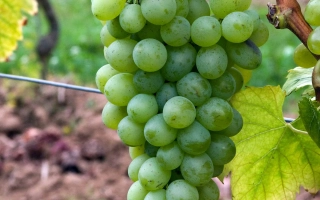
Bunches of Sensu are medium to large in size, conical or cylinder-conical in shape, medium to dense, weighing from 154 to 300 grams. Berries are large, oval, dark blue with a dense waxy bloom, weighing about 3 grams each. Skin is of medium thickness, elastic and edible, flesh is juicy-fleshy, slightly crisp with a refreshing flavor and colorless juice. Berries contain 2–4 small seeds. Sugar accumulation reaches approximately 17 Brix, and juice acidity is about 7.5 g/L, providing a harmonious and balanced flavor without additional aromas.
Sensu is a medium-late maturing variety with a vegetative period of about 148–160 days, ripening at the end of September. The variety tolerates drought well and withstands short-term temperature drops down to -19–22 °C, but requires careful protection against mildew, oidium, and gray rot, to which it is susceptible. Sensu grape is used both for fresh consumption and for wine production, particularly for dry rosé wines, where it performs best. Despite its versatility, the variety is not intended for long-term wine aging.