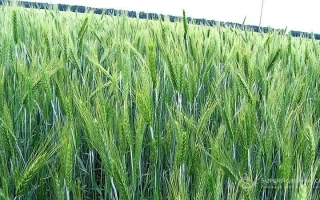
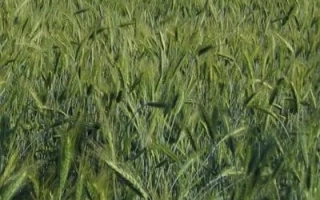
Triticale ADM 5 is an winter cereal variety characterized by high productivity and resistance to adverse conditions. This variety was registered in the Ukrainian Plant Variety Register in 2004 and is recommended for cultivation in the Forest-Steppe and Polesie zones. ADM 5 was developed by selection of morphologically similar lines from a complex population obtained by crossing winter and spring forms of triticale of different origins. Plants have white, spindle-shaped, dense ears 9–12 cm long with short, saw-toothed awns, and grains are large, red, and elongated, with a 1000-grain weight of 55–60 g. Plants are slender, with heights ranging from 90 to 140 cm. ADM 5 exhibits high winter hardiness and drought resistance, making it better adapted to harsh climatic conditions compared to wheat. Critical freezing temperature is approximately -18°C, which is higher than for wheat. Triticale tolerates ice crusts and thaws well, and regrows faster and better in spring. Due to its well-developed root system, the crop demonstrates enhanced drought resistance and can be successfully grown on various soil types, including chernozems, acidic and saline soils, as well as light sandy and peat soils. The variety shows high resistance to leaf and stem diseases, contributing to stable yields. ADM 5 is widely used for grain production as well as for green feed, making it a versatile crop. Triticale grain is used in compound feeds and can be processed into food flour. The high yield potential of the variety exceeds 10 tons per hectare, ensuring significant economic benefits. Additionally, triticale ADM 5 complements the green conveyor, providing high-quality feed for livestock between cuttings of winter barley and perennial grasses. Due to its valuable qualities, such as high productivity, winter hardiness, and good nutritional value, the ADM 5 variety is a promising choice for farmers focused on sustainable and efficient agriculture.