


SKU #73242
·
47 views
SIBIRSKY 2
Sweet Clover
User rating
0 votes0% positive reviews
No ratings yet — be the first.
Type
Yellow Yarrow
Plant Height
80–150
Usage
Cover Crop, Apiculture
Registration year
2000
About product

A hardy, disease-resistant yellow sweet clover, ideal for soil rejuvenation and high-yield beekeeping.
Type
Yellow Yarrow
Plant Height
80–150
Usage
Cover Crop, Apiculture
Registration year
2000
Description
A robust solution for soil recovery and beekeeping
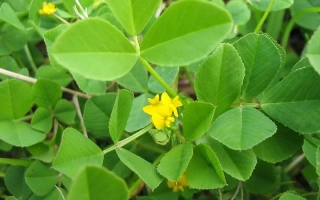
Yellow sweet clover 'Sibirsky 2' is a reliable agrotechnical tool for farms focused on sustainable soil management and high-quality honey production. Developed by the Omsk Agrarian Research Center in collaboration with international experts Boris Alimovich Abubekerov and Ualikhan Malgazhdarovich Sagalbekov, this variety is engineered for resilience in challenging environments.
Practical application scenarios
- Green Manure and Soil Amelioration: With plant heights reaching 80–150 cm, this clover produces significant biomass. Its deep taproot system excels at breaking up compacted soil, restoring structure, and improving water filtration, making it an essential crop in rotation for long-term soil health.
- Disease Resistance: A standout feature of 'Sibirsky 2' is its strong resistance to powdery mildew. This reduces the need for chemical intervention, allowing for cleaner biomass production even in humid, high-risk seasons.
- Apiculture Value: As a premier nectar source among legumes, this variety provides a consistent and prolonged flowering period. It serves as a vital resource for apiaries, supporting bee colony health and significantly increasing honey production potential.
Whether you are looking to fix nitrogen in depleted fields or create a reliable forage base for bees, 'Sibirsky 2' offers a low-maintenance, high-impact choice for modern farm management.
Video · 2 videos
Suggest a video →Crop & resistance
Crop
Disease resistance
Specifications hover over for a hint about the specification
|
Type
Type
Galia (Galia) type — relatively new, of Israeli origin, although there are indications that this variety may originate from Spain. The fruits of this type are round or oval, weighing about 1 kg. The surface is smooth, covered with a delicate, connected netting, turning yellow whe... |
|
|---|---|
| Plant Height | 80–150 |
| Usage | |
| Registration year | 2000 |
| Catalog | Catalog → Sweet Clover |
| Legal data |
Show · 6
|
| Country | Russia |
Store offers
Prices are updated on loadLoading offers…
Aggregator catalog: prices are collected automatically from store websites, normalized by AI and converted at the current exchange rate. Before ordering, confirm the price and availability on the store's website. This block is not indexed by search engines — the data is loaded after the page opens.
Not yet комментариев. Be the first!
Alternatives
Sweet Clover · similar varieties





See also
Often considered together with this variety





Recently viewed
Products you’ve viewed on this site
Reviews · 0