


SKU #45806
·
65 views
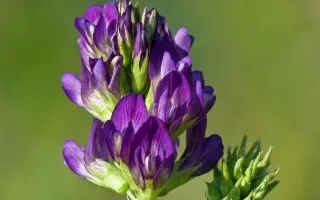
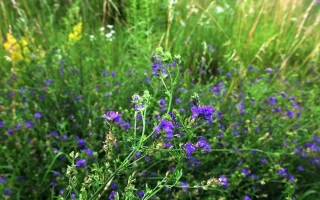
Nasoloda
Lucerne
User rating
0 votes0% positive reviews
No ratings yet — be the first.
Plant Height
80-100
Registration year
2015
About product

A high-yielding alfalfa variety with broad-spectrum disease and pest resistance for long-term forage stands.
Plant Height
80-100
Registration year
2015
Description
Genetic Resilience and Phytosanitary Profile
In developing the 'Nasoloda' alfalfa variety, the Plant Breeding and Genetics Institute (NCSS) prioritized natural defense mechanisms. The technical value of this cultivar lies in its inherent resistance to major agricultural pathogens: anthracnose, bacterial wilt, and fusarium wilt. In intensive field conditions, this translates into consistent stand density over 3–4 years of production, preventing the premature die-off often associated with root rot in standard varieties.
Morphological Architecture
The 80–100 cm plant height provides an optimal ratio between total biomass production and regrowth speed. The plant displays high regenerative vigor, which is critical for maintaining harvest schedules in forage production. This structural design ensures:
- Efficient harvesting: The erect growth habit minimizes leaf shatter and harvesting losses.
- Weed suppression: Rapid canopy closure shades out competing weeds.
- Optimal yield potential: High dry matter accumulation per hectare.
Pest Adaptation
Breeding targets for resistance against the alfalfa weevil and aphids offer growers a more flexible window for crop protection. 'Nasoloda' serves as a tool to reduce production costs by lowering the reliance on recurring insecticide treatments. The specific biochemical profile and stem density make the crop less susceptible to colonization by phytophagous insects, validated by performance trials across the Ukrainian agricultural research network.
Crop & resistance
Crop
Disease resistance
Pest resistance
Specifications
| Plant Height | 80-100 |
|---|---|
| Registration year | 2015 |
| Catalog | Catalog → Lucerne |
| Legal data |
Show · 1
|
| Country | Ukraine |
Store offers
Prices are updated on loadLoading offers…
Aggregator catalog: prices are collected automatically from store websites, normalized by AI and converted at the current exchange rate. Before ordering, confirm the price and availability on the store's website. This block is not indexed by search engines — the data is loaded after the page opens.
Not yet комментариев. Be the first!
Alternatives
Alfalfa seeds · similar varieties


See also
Often considered together with this variety






Recently viewed
Products you’ve viewed on this site
Reviews · 0