


SKU #73212
·
54 views
Sweetclover SAYANSKY
Sweet Clover
User rating
0 votes0% positive reviews
No ratings yet — be the first.
Usage
Cover Crop
Registration year
1973
Prices in stores
from4.85 €per 1 kg
pack from 2.89 € per 500 g
2 offers from 2 stores
Store offers · 2 from 2 stores
Prices are updated on loadLoading offers…
Available at: Смак Меду · Uley
Aggregator catalog: prices are collected automatically from store websites, normalized by AI and converted at the current exchange rate. Before ordering, confirm the price and availability on the store's website. This block is not indexed by search engines — the data is loaded after the page opens.
About product

A robust sweet clover variety engineered for natural soil restoration and efficient nitrogen fixation in harsh climates.
Usage
Cover Crop
Registration year
1973
Description
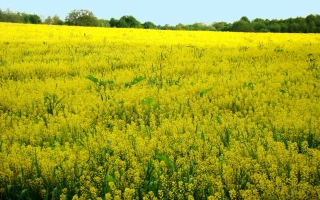
The "Sayansky" sweet clover is a go-to choice for agronomists aiming to restore soil fertility through reliable, low-input methods. Developed by the Siberian Federal Scientific Center of Agrobiotechnologies (RAS), this variety is engineered for harsh climates, performing consistently where other cover crops fail.
Field Performance and Handling
From an operator’s perspective, Sayansky is valued for its aggressive growth habit. It acts as a biological plow, with a deep root system that breaks through compaction, improving soil aeration without the need for intensive mechanical tillage. When managing this crop, the seeding rate of 15–20 kg/ha is sufficient to establish a dense canopy that suppresses weeds effectively.
Operational Guidelines
- Incorporation Timing: Target the early flowering stage for incorporation. This is the sweet spot where nitrogen accumulation is at its peak before the stems become too woody, which saves on fuel consumption and wear on your disc harrows.
- Fuel and Maintenance: Because Sayansky produces a significant amount of biomass, ensure your machinery is set to high-speed discing to facilitate proper incorporation into the topsoil layer. The cultural practice is straightforward, requiring minimal equipment adjustments.
- Winter Hardiness: This variety excels in regions with severe winters. Its resilience ensures a vigorous spring start, eliminating the need for reseeding and ensuring consistent soil cover.
Sayansky is a "workhorse" variety. It requires little attention but delivers significant, quantifiable improvements to the soil structure. If you are looking for a practical, proven solution to improve soil health and prepare your fields for high-yielding rotation crops, this variety provides the predictability that modern agronomy demands.
Crop & resistance
Crop
Specifications
| Usage | |
|---|---|
| Registration year | 1973 |
| Catalog | Catalog → Sweet Clover |
| Legal data |
Show · 1 |
| Country | Russia |
Not yet комментариев. Be the first!
Alternatives
Sweet Clover · similar varieties




See also
Often considered together with this variety


Recently viewed
Products you’ve viewed on this site
Reviews · 0