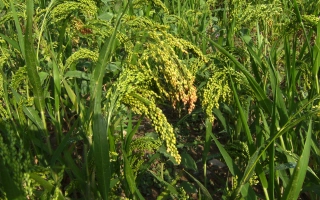
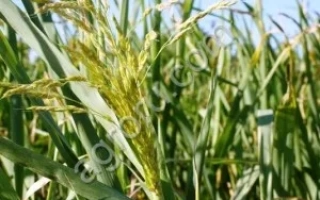
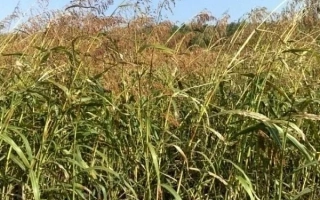
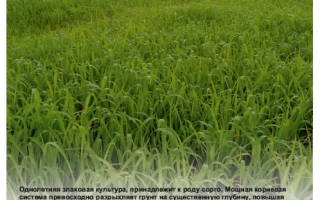
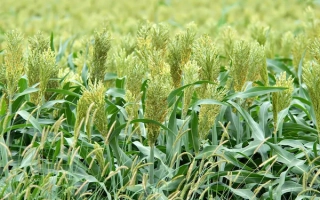
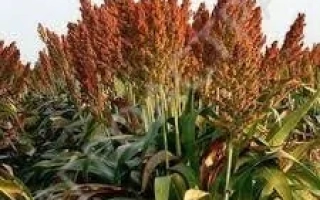
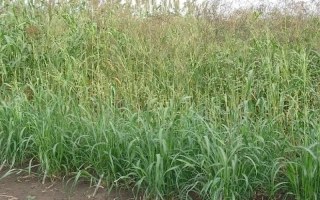
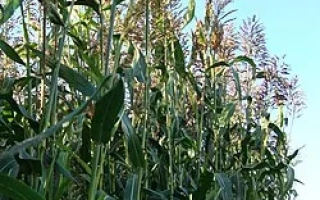
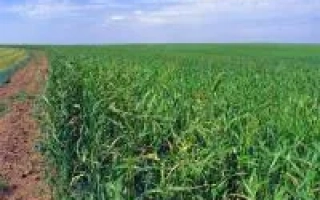
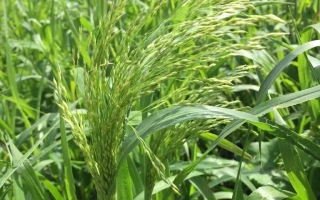
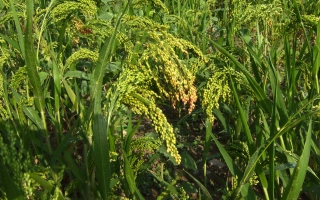
Sudan grass "LUCK" – an annual grass plant (Sorghum xdrummondii), widely used as a fodder crop for livestock. Due to its high yield and rich nutritional composition, it becomes a valuable source of protein, carbohydrates, fiber, and trace elements, including copper, iron, zinc, magnesium, manganese, molybdenum, selenium, potassium, calcium, and phosphorus. The composition also includes vitamins A, B1, B2, B5, B6, H (PP) and carotenoids, which increase the nutritional value of the green mass.
The fertility properties of Sudan grass are manifested in its ability to improve soil structure thanks to its powerful root system. The plant grows quickly: intensive growth begins 1.5 months after sowing, while the height of the bushes can reach up to 3 meters, and the daily increase in growth is from 5 to 10 cm. This allows for several cuts per season and obtaining a significant volume of green mass.
"LUCK" is distinguished by its drought, salt, and heat stress resistance, as well as its adaptability to soil types. High yield reaches 215.4 centners per hectare under optimal conditions, with dry matter content of about 25–30%. Thanks to these characteristics, Sudan grass becomes a reliable source of feed and organic fertilizer for agriculture.