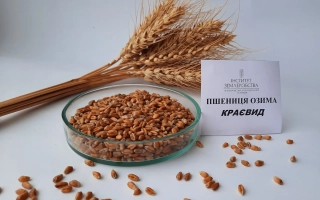
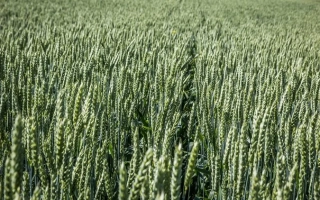
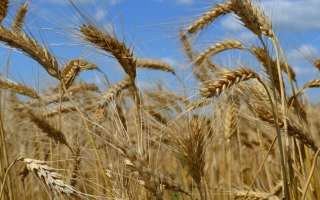
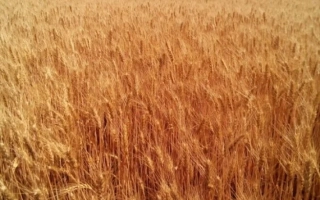
Winter wheat variety Kohanka is a high-quality, high-yielding variety intended for cultivation in the forest-steppe and Polissia regions. The plant has a medium height of about 75-77 cm and a short stem, which contributes to resistance against lodging. The vegetation period is approximately 274-279 days, corresponding to a medium-maturing type. The variety is distinguished by high winter hardiness, rated at 8.3-8.9 points, as well as good resistance to freezing, drought, and lodging, making it a reliable choice for various agroclimates, including non-irrigated and irrigated lands. The yield of variety Kohanka varies depending on growing conditions and averages from 5.4 to 6.9 t/ha, with a maximum potential up to 9.6 t/ha. The thousand-grain weight ranges from 41.1-44 g, indicating large kernel size. The variety demonstrates high resistance to diseases, including powdery mildew, rust, root rots, septoria, and fusarium, significantly reducing yield losses and improving grain quality. The grain quality of variety Kohanka is high, with protein content ranging from 12.9 to 14.0% and gluten content from 29.0 to 34.5%. Dough strength falls within 254-306 arbitrary units, and the loaf volume from 100 g of flour reaches 980-1070 ml, confirming excellent baking properties. Due to these characteristics, wheat variety Kohanka is widely used in agriculture for bread and other milling products, ensuring a stable and high-quality yield.