


Prices in stores
No offers yet — stores have not added prices for this product yet.
Similar varieties with prices
-
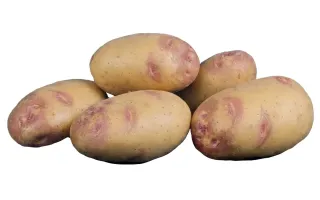
PicassoAGRICO
from 0.55 €per 1 kg
-
 FabulaHZPC
from 1.48 €
FabulaHZPC
from 1.48 €
-
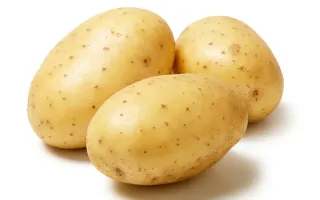 GalaNORIKA
from 0 €per 1 kg
GalaNORIKA
from 0 €per 1 kg
-
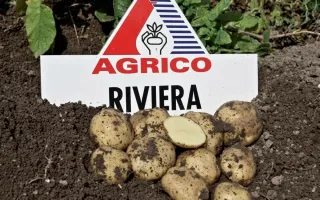 RivieraAGRICO
from 1.94 €per 1 kg
RivieraAGRICO
from 1.94 €per 1 kg
Direction
Dried potato
Time to first harvest
125-135 days
Tuber: flesh color
White
Tuber: skin color
Yellow
Your mark
0 votes
0% positive ratings
Description
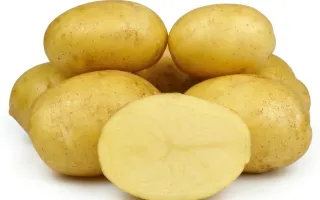
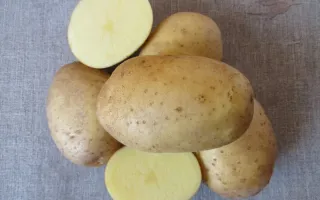
Kuras potato is a late-maturing, large tuber, table-type variety of Dutch selection, reaching technical maturity 125-135 days after planting. The plant forms, on average, about 12 large, round-oval tubers with smooth yellow skin and deeply set eyes. The flesh is white and belongs to the culinary type C, indicating a soft texture, making it especially suitable for various culinary purposes.
The Kuras variety has a high dry matter content — about 26.1%, which ensures good tuber storage and makes it suitable for industrial processing, including starch production. The potato is resistant to viral diseases and late blight affecting both leaves and tubers, and is also relatively insensitive to mechanical damage. However, the variety is not resistant to potato late blight, so it is recommended to grow it on sandy soils and in low-humidity conditions. For improved crop quality, pre-sprouting of tubers and desiccation or cutting of foliage three weeks before harvest are recommended to allow full skin maturation.
The Kuras potato was registered in 2010 and is recommended for cultivation in various climatic zones of Ukraine. Thanks to its disease resistance and adaptability to different conditions, it is widely used in agriculture for versatile applications. This variety combines high yield, quality, and reliability, making it in demand both for personal consumption and industrial purposes.
The Kuras variety has a high dry matter content — about 26.1%, which ensures good tuber storage and makes it suitable for industrial processing, including starch production. The potato is resistant to viral diseases and late blight affecting both leaves and tubers, and is also relatively insensitive to mechanical damage. However, the variety is not resistant to potato late blight, so it is recommended to grow it on sandy soils and in low-humidity conditions. For improved crop quality, pre-sprouting of tubers and desiccation or cutting of foliage three weeks before harvest are recommended to allow full skin maturation.
The Kuras potato was registered in 2010 and is recommended for cultivation in various climatic zones of Ukraine. Thanks to its disease resistance and adaptability to different conditions, it is widely used in agriculture for versatile applications. This variety combines high yield, quality, and reliability, making it in demand both for personal consumption and industrial purposes.
Video · 1 video
Suggest a video →Crop & resistance
Crop
Disease resistance
Pest resistance
Specifications
| Direction | |
|---|---|
| Time to first harvest | 125-135 days |
| Tuber | |
| Flesh color | |
| Skin color | |
| Shape | |
| Dry Matter Content | 22-23% |
| Tuber | |
| Skin structure | |
| Eye depth | |
| Registration year | 2010 |
| Catalog | Catalog → Potato |
| Manufacturer | AGRICO |
| Legal data |
Show · 13
|
| Country | Netherlands |
No reviews yet. Be the first to share your experience.
Alternatives
Seed potatoes · similar varieties




See also
Often considered together with this variety






Recently viewed
Products you’ve viewed on this site
Reviews