

SKU #64397
·
46 views
Pea Temp
Pea
Prices in stores
No offers yet — stores have not added prices for this product yet.
Similar varieties with prices
- Kumir from 0.38 €
-
 MadonnaNPZ Lembke
from 0.41 €per 1 kg
MadonnaNPZ Lembke
from 0.41 €per 1 kg
-
 Sakharnyi 2
from 25.7 €per 1 kg
Sakharnyi 2
from 25.7 €per 1 kg
-
 Tsarevich
from 0.94 €per 1 kg
Tsarevich
from 0.94 €per 1 kg
Production Direction
For grain
Plant Type
Semi-leafless
Growing Season
70-80 days
Plant: height
Average Height
Your mark
0 votes
0% positive ratings
Description
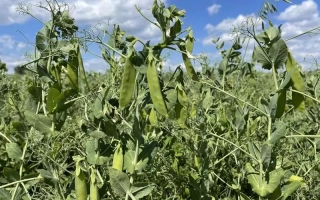
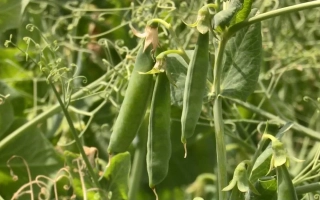
The 'TEMP' pea variety is a medium-maturing type of field pea (Pisum sativum L.) with a vegetative period of 76-80 days. This variety is characterized by a thickened, stiff stem 60-85 cm long, which ensures resistance to lodging, thereby facilitating harvesting and increasing yield. The leaves are of medium size with dense leaflets, while the flowers are white and large, arranged two per peduncle of medium length. Pods are straight with a blunt tip, containing 4-6 light pink seeds with a shiny smooth surface and a light hilum. The mass of 1000 seeds varies from 213 to 265 grams, indicating good market appearance and seed quality. The 'TEMP' variety is characterized by high potential yield and medium drought resistance, making it suitable for cultivation in various regions, including the Central, Central Black Earth, North Caucasian, and Northwest regions of Russia, as well as the Lipetsk region. Due to its ability to effectively utilize soil fertility, this variety responds well to the application of fertilizers. The protein content in the grain reaches 22.3-23%, which is higher than standard indicators, making the 'TEMP' pea a valuable source of plant protein with excellent culinary and technological qualities. Peas as a crop are known for their cold hardiness and ability to grow at temperatures from +4 to +6 °C, with an optimal range of +16…+22 °C, which allows for their use in early spring and repeat sowings at the end of summer. A biological characteristic of peas is their symbiotic interaction with root nodule bacteria, which fix atmospheric nitrogen and enrich the soil, improving its fertility. This makes the 'TEMP' pea not only a highly productive crop but also a beneficial precursor for subsequent agricultural crops.
Crop & resistance
Crop
Disease resistance
Specifications
| Production Direction | |
|---|---|
| Plant Type | |
| Growing Season | 70-80 days |
| Plant: height | Average Height |
| Beans | |
| Weight per 1000 seeds | 220-240 grams |
| Protein Content | 22-24% |
| Suitability for direct harvesting | |
| Registration year | 2010 |
| Catalog | Catalog → Pea |
| Legal data |
Show · 1 |
| Country | Russia |
No reviews yet. Be the first to share your experience.





See also
Often considered together with this variety


ALBUMEN
FGBNU Federal Agrarian Scientific Center of the North-East named after N.V. Rudnitsky
054 1 offer
3.7 €per 1 kg ≈ 189 ₴


Recently viewed
Products you’ve viewed on this site
Reviews