


SKU #34454
·
57 views
Resonator
Pea
User rating
0 votes0% positive reviews
No ratings yet — be the first.
Beans; Protein Content
18-20%
Registration year
1997
About product

A reliable variety with high adaptability to challenging climatic conditions and stable protein content.
Beans; Protein Content
18-20%
Registration year
1997
Description
Stable Yields in Risky Farming Conditions
The 'Resonator' pea, developed by the V. Ya. Yuriev Plant Production Institute of NAAS, is the choice for farmers focused on predictable results within Ukraine's volatile climate. Unlike many intensive imported hybrids that require near-ideal conditions, this variety demonstrates remarkable plasticity and adaptability to the stress factors characteristic of the forest-steppe zone.
Technological Advantages
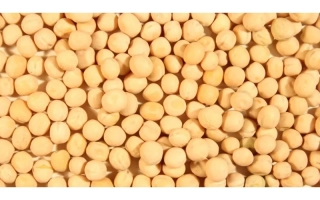
- Protein Content: The protein content in the seeds ranges from 18% to 20%, providing an optimal balance for both food processing and animal feed production.
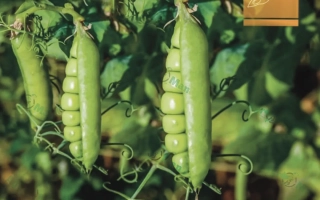
- Bean Morphology: The structure and attachment of the pods allow for efficient use of standard harvesting equipment, minimizing losses during direct combining.
- Resistance: The variety exhibits pronounced tolerance to lodging and seed shattering, which is critical during prolonged harvest periods or adverse weather conditions late in the vegetation cycle.
Who Should Choose This Variety
'Resonator' is an excellent solution for agricultural enterprises seeking a balance between the cost of seed material and the quality of the final product. It does not require excessive investment in agrochemicals while maintaining a yield potential of 4–5 tons per hectare under basic technology. The primary strength of this variety is its predictability. You get even, uniform ripening, which significantly simplifies harvest logistics.
Strengths and Weaknesses
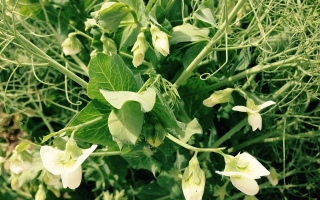
High ecological plasticity is among its core strengths: the variety successfully mitigates the negative impacts of drought. However, it is essential to remember that achieving maximum grain quality requires strict adherence to sowing timelines and pest control during the flowering phase. 'Resonator' is a workhorse of Ukrainian breeding, valued for its reliability and time-tested genetics.
Crop & resistance
Crop
Specifications
| Beans; Protein Content | 18-20% |
|---|---|
| Registration year | 1997 |
| Catalog | Catalog → Pea |
| Legal data |
Show · 1
|
| Country | Ukraine |
Store offers
Prices are updated on loadLoading offers…
Aggregator catalog: prices are collected automatically from store websites, normalized by AI and converted at the current exchange rate. Before ordering, confirm the price and availability on the store's website. This block is not indexed by search engines — the data is loaded after the page opens.
Not yet комментариев. Be the first!


See also
Often considered together with this variety





Recently viewed
Products you’ve viewed on this site
Reviews · 0