


SKU #34583
·
43 views
Kharkivskiy Etalonnyy
Pea
User rating
0 votes0% positive reviews
No ratings yet — be the first.
Growth Direction
On grain
Growing Season
70-80 days
Plant; height
Average Height
Beans; Weight per 1000 seeds
260-280 grams
About product

A reliable early-maturing pea variety featuring high protein content and resistance to a wide range of diseases.
Growth Direction
On grain
Growing Season
70-80 days
Plant; height
Average Height
Beans; Weight per 1000 seeds
260-280 grams
Description
Stability and Processing Efficiency in Every Pod
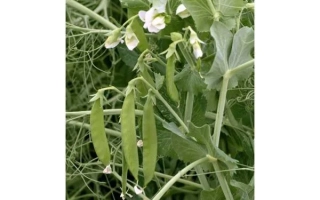
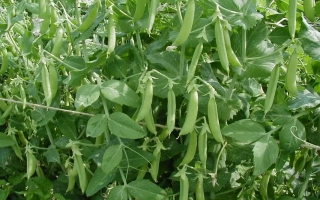
The «Kharkivskyi Etalonyi» pea variety, developed by the V. Ya. Yuriev Plant Production Institute, is the preferred choice for farmers prioritizing yield reliability. Its primary advantage is the combination of high protein content (24–26%) and exceptional suitability for direct combining. In the context of modern intensive agriculture, this variety demonstrates excellent resistance to lodging and shattering, minimizing harvest losses.
A Phytopathological Shield
One of the key features distinguishing this variety from its competitors is its comprehensive disease resistance. Selection efforts by the Yuriev Institute have achieved high tolerance to pathogens that typically cause significant profit losses annually:
- Ascochytosis, anthracnose, and fusarium: The variety effectively maintains a low infection background.
- Powdery mildew, rust, and septoria have minimal impact on yield formation when standard agronomic practices are followed.
- Robust immunity against root rot and downy mildew ensures healthy root system development throughout the entire vegetative stage.
Cultivation Highlights
With a vegetation period of 70–80 days, «Kharkivskyi Etalonyi» is classified as an early-maturing crop. This allows farmers to plan crop rotations flexibly and avoid the impact of peak summer droughts. The medium plant height is optimal for mechanical harvesting: the plant is not prone to excessive vegetative mass, which streamlines the operation of the header.
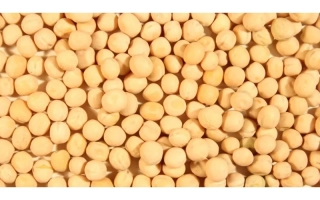
The 1000-seed weight is 260–280 grams. Large, uniform seeds with high protein content make this variety sought after for both domestic livestock needs and export markets, where raw material quality is paramount.
Who is this variety for? It is ideal for farms operating under average moisture conditions looking for a reliable tool to achieve stable grain yields without excessive expenditure on fungicide protection. It represents the «golden mean» for producers who value both productivity and ease of post-harvest processing.
Crop & resistance
Crop
Specifications
| Growth Direction | |
|---|---|
| Growing Season | 70-80 days |
| Plant; height | Average Height |
| Beans; Weight per 1000 seeds | 260-280 grams |
| Beans; Protein Content | 24-26% |
| Suitability for direct cleaning | |
| Registration year | 2002 |
| Catalog | Catalog → Pea |
| Legal data |
Show · 1
|
| Country | Ukraine |
Store offers
Prices are updated on loadLoading offers…
Aggregator catalog: prices are collected automatically from store websites, normalized by AI and converted at the current exchange rate. Before ordering, confirm the price and availability on the store's website. This block is not indexed by search engines — the data is loaded after the page opens.
Not yet комментариев. Be the first!



See also
Often considered together with this variety





Recently viewed
Products you’ve viewed on this site
Reviews · 0