


SKU #41911
·
51 views
Batun
Onion
User rating
0 votes0% positive reviews
No ratings yet — be the first.
Type
Onion (for feather)
Direction
Salad
Harvest Method
Manual
Registration year
2010
Prices in stores
from1.91 €per 1000 seeds
pack from 0.06 € per 2 g
15 offers from 10 stores
Store offers · 15 from 10 stores
Prices are updated on loadLoading offers…
Available at: Перший Оптовий · Agromag · Agroshop · Baza Lubny · Еліт насіння · Kupa · Optoman · Povna Lavka · Дім садівника · Дарвін · Zhalo
Aggregator catalog: prices are collected automatically from store websites, normalized by AI and converted at the current exchange rate. Before ordering, confirm the price and availability on the store's website. This block is not indexed by search engines — the data is loaded after the page opens.
About product

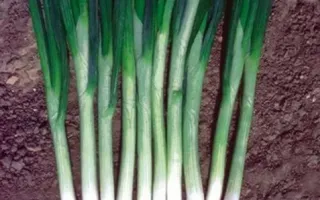
Reliable bunching onion designed for repeated manual harvests with excellent leaf regeneration.
Type
Onion (for feather)
Direction
Salad
Harvest Method
Manual
Registration year
2010
Description
Focus on Greens: Field Experience with Batyr Onion
When evaluating bunching onion (scallion) for professional production, the key factor isn't just theoretical yield, but predictability from sowing to harvest. The 'Batyr' variety, developed by the Dnipropetrovsk Experimental Station of the NAAS, is a practical tool for producers focusing on the salad market and manual operations.
Operational Field Insights
The operator's main task with this variety is maintaining optimal plant density. Since the Batyr onion does not form a bulb, all plant energy is directed toward developing succulent, high-quality leaves. In our experience, this variety responds excellently to consistent irrigation and precise nitrogen management, which drives vigorous vegetative growth.
- Harvesting: The variety is perfectly suited for manual harvesting. Eliminating the need for complex machinery during the harvest phase significantly reduces initial capital expenditures.
- Resilience: The plant exhibits high regenerative capacity. With proper management and adequate recovery intervals between growth cycles, multiple cuts per season are achievable.
- Crop Management: Unlike bulb onions, 'Batyr' requires less focus on post-harvest storage infrastructure, as the primary asset is fresh greens. Attention is best directed toward pest control during the active growth phases.
For growers serving local markets, 'Batyr' offers straightforward agronomy and predictable liquidity. It delivers a consistent product with excellent flavor profiles, ready for immediate market preparation without the need for specialized harvesting equipment.
Specifications hover over for a hint about the specification
|
Type
Type
Galia (Galia) type — relatively new, of Israeli origin, although there are indications that this variety may originate from Spain. The fruits of this type are round or oval, weighing about 1 kg. The surface is smooth, covered with a delicate, connected netting, turning yellow whe... |
|
|---|---|
|
Direction
Direction
Existing varieties and types of cabbage are grown for fresh consumption, long-term storage, and technical processing. |
|
|
Harvest Method
Harvest Method
Most existing onion varieties are harvested manually. This is because onion bulbs are very sensitive to mechanical damage. However, there are varieties whose bulbs have a hard consistency and are suitable for mechanical harvesting. |
|
| Registration year | 2010 |
| Catalog | Catalog → Onion |
| Legal data |
Show · 1
|
| Country | Ukraine |
Not yet комментариев. Be the first!
Alternatives
Onion seeds · similar varieties






See also
Often considered together with this variety





Recently viewed
Products you’ve viewed on this site
Reviews · 0