


SKU #73126
·
59 views
THERMOS
Marjoram
User rating
0 votes0% positive reviews
No ratings yet — be the first.
Herbs
Majoran
Plant Height
40–50
Apply
Culinary, Drying, Essential Oil, Medicinal Infusions
Registration year
2004
Prices in stores
from9.36 €per 1 kg
pack from 7.74 € per 450 ml
10 offers from 5 stores
Store offers · 10 from 5 stores
Prices are updated on loadLoading offers…
Available at: Bat Opt · Elektromotor · Himolimp · Tolko · Віста · Все Росте
Aggregator catalog: prices are collected automatically from store websites, normalized by AI and converted at the current exchange rate. Before ordering, confirm the price and availability on the store's website. This block is not indexed by search engines — the data is loaded after the page opens.
About product

A robust, locally-adapted marjoram variety with high essential oil content and versatile culinary and medicinal applications.
Herbs
Majoran
Plant Height
40–50
Apply
Culinary, Drying, Essential Oil, Medicinal Infusions
Registration year
2004
Description
A Reliable Choice in Herb Cultivation
The 'Termos' marjoram variety is a result of selective breeding by the Federal Research Center for Vegetable Growing. Designed to offer stability and consistent yields, this variety stands out from imported hybrids due to its high adaptability to local climatic conditions, making it a pragmatic choice for both professional growers and hobbyists.
Characteristics and Utility
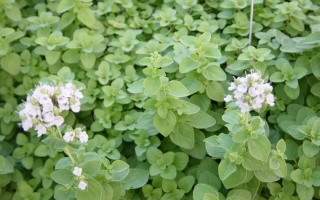
Reaching a height of 40–50 cm, the plant develops a compact, dense bush structure. Its value lies in its multi-purpose utility:
- Culinary Use: Offers a delicate, sweet-spicy aroma that enhances rather than overpowers flavor profiles.
- Drying: The leaves excel in dehydration processes, effectively retaining their aromatic compounds for long-term storage.
- Pharmaceutical Potential: Due to a high concentration of essential oils, the plant is well-suited for medicinal herbal infusions, outperforming many purely ornamental varieties.
Strengths and Considerations
The main advantage of the 'Termos' variety is its resilience to temperature fluctuations during the growing season, a factor that sets it apart from more heat-sensitive counterparts. It requires less intensive maintenance, though it is not a shade-tolerant plant; to achieve the maximum yield of essential oils, sufficient sunlight and well-draining soil are essential. While some exotic varieties might look more decorative, 'Termos' focuses on performance and practical utility.
This variety is ideal for those requiring a reliable source of raw material for culinary production or medicinal needs. If you are looking for an honest, high-performing marjoram variety that delivers consistent results without needing constant climate control, 'Termos' is a solid professional investment.
Specifications
| Herbs | |
|---|---|
| Plant Height | 40–50 |
| Apply | |
| Registration year | 2004 |
| Catalog | Catalog → Marjoram |
| Legal data |
Show · 9
|
| Country | Russia |
Not yet комментариев. Be the first!

SCANDI
Сельскохозяйственное Селекционно-производственное Предприятие Сортсемовощ
061 2 offers
136.25 €per 1 kg ≈ 7 036 ₴


See also
Often considered together with this variety







Recently viewed
Products you’ve viewed on this site
Reviews · 0