


SKU #71881
·
63 views
TIMIR 1
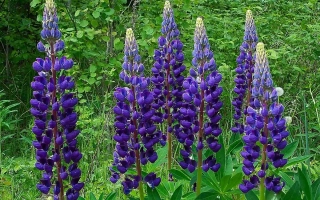
Lupin
Фгбоу Во Ргау- Мсха Имени К. А.ТимирязеваUser rating
0 votes0% positive reviews
No ratings yet — be the first.
Usage
On green feed, Hay Bales, Silage
Registration year
1990
About product

Narrow-leafed lupin (Lupinus angustifolius L.) is a high-protein crop suitable for both grain and fodder use. The TIMIR 1 variety is distinguished by its ultra-early ripening: the vegetation period is 70–80 days, which allows for a quick harvest even with a limited sowing window. Seeds germinate at temperatures from 3 to 5 °C and can withstand short-term frosts down to -6 °C, thanks to which the p…
Usage
On green feed, Hay Bales, Silage
Registration year
1990
Description
Narrow-leafed lupin (Lupinus angustifolius L.) is a high-protein crop suitable for both grain and fodder use. The TIMIR 1 variety is distinguished by its ultra-early ripening: the vegetation period is 70–80 days, which allows for a quick harvest even with a limited sowing window. Seeds germinate at temperatures from 3 to 5 °C and can withstand short-term frosts down to -6 °C, thanks to which the plant adapts well to cold climatic conditions.
Technological characteristics of the TIMIR 1 variety make it attractive to farmers. The mass of 1000 seeds is 150–200 grams, and the average yield reaches 3–4 tons per hectare. The raw protein content in the grain ranges from 33–35%, ensuring high nutritional value for fodder. Alkaloids are present in low concentrations (0.001–0.015%), which reduces the risk of livestock poisoning and allows the grain to be used as part of fish feed.
The fodder use of lupin TIMIR 1 is multifaceted: green mass can be used as fresh feed, silage, or artificially dried fodder material. Thanks to a powerful taproot system penetrating up to 2 meters deep, the plant efficiently fixes nitrogen and reduces the need for additional nitrogen fertilizers. This makes the variety a good predecessor for winter cereal crops and an economically viable choice for sustainable agriculture.
Technological characteristics of the TIMIR 1 variety make it attractive to farmers. The mass of 1000 seeds is 150–200 grams, and the average yield reaches 3–4 tons per hectare. The raw protein content in the grain ranges from 33–35%, ensuring high nutritional value for fodder. Alkaloids are present in low concentrations (0.001–0.015%), which reduces the risk of livestock poisoning and allows the grain to be used as part of fish feed.
The fodder use of lupin TIMIR 1 is multifaceted: green mass can be used as fresh feed, silage, or artificially dried fodder material. Thanks to a powerful taproot system penetrating up to 2 meters deep, the plant efficiently fixes nitrogen and reduces the need for additional nitrogen fertilizers. This makes the variety a good predecessor for winter cereal crops and an economically viable choice for sustainable agriculture.
Crop & resistance
Crop
Disease resistance
Specifications
| Usage | |
|---|---|
| Registration year | 1990 |
| Catalog | Catalog → Lupin |
| Manufacturer | Фгбоу Во Ргау- Мсха Имени К. А.Тимирязева |
| Legal data |
Show · 1 |
| Country | Russia |
Store offers
Prices are updated on loadLoading offers…
Aggregator catalog: prices are collected automatically from store websites, normalized by AI and converted at the current exchange rate. Before ordering, confirm the price and availability on the store's website. This block is not indexed by search engines — the data is loaded after the page opens.
Not yet комментариев. Be the first!



See also
Often considered together with this variety





Recently viewed
Products you’ve viewed on this site
Reviews · 0