

SKU #74188
·
41 views
Laxton
Brome Grass
DLFUser rating
0 votes0% positive reviews
No ratings yet — be the first.
Assignment
Feed, For Hay
Type
Perennial
Hay Yield (t/ha)
4-6
Plant Height
100-120
About product

Reliable perennial smooth brome grass for high-quality hay production with excellent nutritional value.
Assignment
Feed, For Hay
Type
Perennial
Hay Yield (t/ha)
4-6
Plant Height
100-120
Description
Why Laxton by DLF is a Top Choice for Forage Production
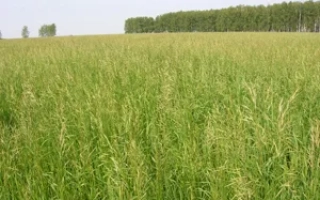
The smooth brome grass variety 'Laxton', developed by the Danish experts at DLF, represents the gold standard for reliable forage production. Unlike wild-type populations, this variety offers uniform stand density, which is essential for efficient mechanized hay harvesting. Laxton is engineered for intensive use and exhibits remarkable winter hardiness, making it an optimal choice for various climatic conditions.
Agronomic Advantages
The core value of this variety lies in its balance of shoot density and vigorous growth rates. Reaching heights of 100–120 cm, it consistently yields 4–6 tonnes of hay per hectare. It provides the perfect middle ground for agricultural enterprises seeking a balance between high-quality roughage and simple crop management.
- Long-term Stability: As a perennial crop, Laxton maintains high productivity on the same field for 5–7 years without significant thinning.
- Harvesting Efficiency: Uniform stem maturity simplifies the drying and baling process, minimizing nutrient losses during harvest.
- Nutritional Value: Smooth brome is highly prized for its protein content and excellent digestibility, making it a foundational component in high-quality livestock rations.
Who Should Choose Laxton?
Laxton is ideal for livestock farmers aiming to establish long-lasting pastures or produce premium-grade hay. It is highly resilient, compensating for minor agrotechnical oversights, and demonstrates quick regrowth after mowing. If your goal is predictable yield and high energy content in your forage for years to come, this Danish selection from DLF delivers the performance you need.
Crop & resistance
Crop
Specifications hover over for a hint about the specification
| Assignment | |
|---|---|
|
Type
Type
Galia (Galia) type — relatively new, of Israeli origin, although there are indications that this variety may originate from Spain. The fruits of this type are round or oval, weighing about 1 kg. The surface is smooth, covered with a delicate, connected netting, turning yellow whe... |
|
| Hay Yield (t/ha) | 4-6 |
| Plant Height | 100-120 |
| Registration year | 2001 |
| Catalog | Catalog → Brome Grass |
| Manufacturer | DLF |
| Country | Denmark |
Store offers
Prices are updated on loadLoading offers…
Aggregator catalog: prices are collected automatically from store websites, normalized by AI and converted at the current exchange rate. Before ordering, confirm the price and availability on the store's website. This block is not indexed by search engines — the data is loaded after the page opens.
Not yet комментариев. Be the first!
Alternatives
Brome Grass · similar varieties



See also
Often considered together with this variety



Recently viewed
Products you’ve viewed on this site
Reviews · 0