


SKU #74194
·
55 views
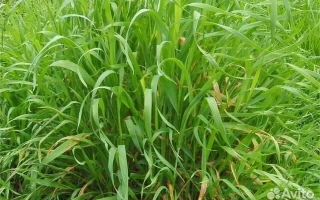
Smooth brome Medina
Brome Grass
DLFUser rating
0 votes0% positive reviews
No ratings yet — be the first.
Type
Perennial
Plant Height
100-120
Registration year
1999
About product

High-yielding bromegrass variety with a robust root system and excellent post-harvest regrowth potential.
Type
Perennial
Plant Height
100-120
Registration year
1999
Description
Technical Insights into Medina Smooth Bromegrass by DLF
Medina, a smooth bromegrass variety developed by the Danish company DLF, is engineered to establish robust and high-yielding forage stands. Unlike common grass varieties, Medina features a specialized root architecture that ensures survival and persistence under fluctuating soil moisture conditions.
Morphology and Yield Potential
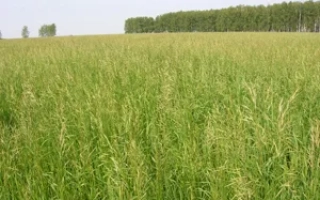
The plant height of 100–120 cm signifies a substantial capacity for biomass accumulation. A defining characteristic of this variety is its intense tillering capacity combined with superior stem structural integrity. This is a critical technical factor for efficient mechanized harvesting, as the plants exhibit high resistance to lodging, allowing for harvest at the optimal nutritional stage without biomass loss.
Agronomic Advantages for Feed Production
- Longevity: The genetic hardiness typical of DLF’s northern breeding program ensures excellent winter survival and the ability to maintain sward density over 5–7 years of intensive grazing or harvesting.
- Regeneration Rate: Medina exhibits rapid regrowth post-harvest, supporting consistent second and third cuttings, provided that nitrogen requirements are met.
- Feed Quality: A high leaf-to-stem ratio ensures an optimal balance of protein and crude fiber, making this variety a high-value component for hay and silage production.
Selecting Medina by DLF is a strategic choice for high-efficiency forage production. The combination of controlled height and density reduces harvesting mechanical losses, ensuring a predictable and high-quality yield of dry matter per hectare.
Crop & resistance
Crop
Specifications hover over for a hint about the specification
|
Type
Type
Galia (Galia) type — relatively new, of Israeli origin, although there are indications that this variety may originate from Spain. The fruits of this type are round or oval, weighing about 1 kg. The surface is smooth, covered with a delicate, connected netting, turning yellow whe... |
|
|---|---|
| Plant Height | 100-120 |
| Registration year | 1999 |
| Catalog | Catalog → Brome Grass |
| Manufacturer | DLF |
| Country | Denmark |
Store offers
Prices are updated on loadLoading offers…
Aggregator catalog: prices are collected automatically from store websites, normalized by AI and converted at the current exchange rate. Before ordering, confirm the price and availability on the store's website. This block is not indexed by search engines — the data is loaded after the page opens.
Not yet комментариев. Be the first!
Alternatives
Brome Grass · similar varieties


See also
Often considered together with this variety




Recently viewed
Products you’ve viewed on this site
Reviews · 0