


SKU #71416
·
58 views
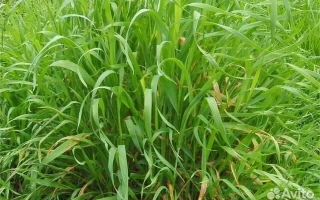
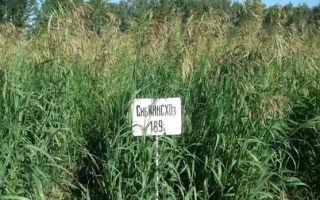
Smooth brome BEARLESS BROME 2
Brome Grass
User rating
0 votes0% positive reviews
No ratings yet — be the first.
Assignment
Pasture, For Hay
Type
Perennial
Forage Stand Lifespan (Years)
7-10
Registration year
1948
Prices in stores
from0.7 €per 1 kg
pack from 3.49 € per 5 kg
2 offers from 2 stores
Store offers · 2 from 2 stores
Prices are updated on loadLoading offers…
Available at: Agroretail · Pchelosad · Sembaza
Aggregator catalog: prices are collected automatically from store websites, normalized by AI and converted at the current exchange rate. Before ordering, confirm the price and availability on the store's website. This block is not indexed by search engines — the data is loaded after the page opens.
About product

A robust perennial grass variety offering high regrowth rates and comprehensive genetic resistance to fungal diseases.
Assignment
Pasture, For Hay
Type
Perennial
Forage Stand Lifespan (Years)
7-10
Registration year
1948
Description
Engineering longevity into pasture management
The perennial bromegrass variety «Bezosty 2», developed by the Agrarian Scientific Center «Donskoy», is a professional solution for long-term forage production. With a functional stand life of 7–10 years, this variety relies on rapid tillering and a robust root system to ensure quick recovery after grazing or mowing. This durability minimizes the need for frequent reseeding, providing a reliable foundation for long-term agricultural planning.
Phytosanitary resilience for stable yields
The biological potential of this variety is safeguarded by its genetic resistance to major agricultural pathogens. The selection process at the «Donskoy» center focused on eliminating yield-limiting diseases that typically compromise forage quality:
- Helminthosporiosis: protects leaf surface area, ensuring maximum photosynthetic efficiency.
- Brown rust and Septoria: prevents premature leaf dieback, keeping the forage nutritional value intact.
- Powdery mildew: maintains canopy health even in high-humidity conditions.
Operational utility: pasture and hay versatility
«Bezosty 2» is engineered for dual-purpose utilization. Its morphological traits provide high regrowth rates, making it an excellent choice for rotational grazing. Simultaneously, the quality of the stems makes it highly suitable for high-nutritional-value hay production. For cattle operations, this means a consistent supply of palatable forage with high protein content, capable of enduring the stresses of both livestock traffic and mechanical harvesting.
Video · 3 videos
Suggest a video →Crop & resistance
Crop
Disease resistance
Specifications hover over for a hint about the specification
| Assignment | |
|---|---|
|
Type
Type
Galia (Galia) type — relatively new, of Israeli origin, although there are indications that this variety may originate from Spain. The fruits of this type are round or oval, weighing about 1 kg. The surface is smooth, covered with a delicate, connected netting, turning yellow whe... |
|
| Forage Stand Lifespan (Years) | 7-10 |
| Registration year | 1948 |
| Catalog | Catalog → Brome Grass |
| Legal data |
Show · 1
|
| Country | Russia |
Not yet комментариев. Be the first!
Alternatives
Brome Grass · similar varieties



See also
Often considered together with this variety




Recently viewed
Products you’ve viewed on this site
Reviews · 0