


SKU #71423
·
47 views
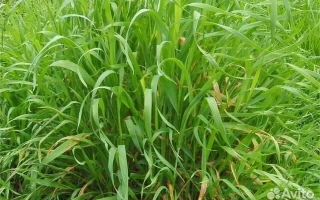
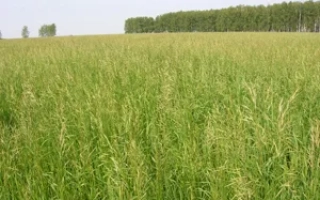
BASHKIR LOCAL
Brome Grass
User rating
0 votes0% positive reviews
No ratings yet — be the first.
Assignment
Feed, Pasture
Type
Perennial
Registration year
1961
About product

A durable, long-lived perennial grass with excellent regrowth capabilities, tailored for harsh climates.
Assignment
Feed, Pasture
Type
Perennial
Registration year
1961
Description
Longevity and Resilience in Forage Production
The «Bashkirsky Mestny» smooth brome is a specialized variety developed by the Ufa Federal Research Center of the Russian Academy of Sciences. Unlike many imported varieties that struggle with continental temperature fluctuations, this variety is engineered to thrive in harsh environments, providing consistent forage yields where other grasses often fail.
Core Advantages for Livestock Farming
- Superior Regrowth: The variety shows excellent recovery rates after grazing or mowing, ensuring high biomass production throughout the growing season.
- Winter Hardiness: Genetically optimized for severe winters, it maintains a stable stand density even in regions with little snow cover.
- Nutritional Value: It provides high-quality forage, maintaining protein levels necessary for livestock development during the grazing period.
Optimal Use Case
«Bashkirsky Mestny» is the ideal choice for producers aiming to establish permanent, long-term pastures. With a lifespan of up to 10 years, it significantly reduces the costs associated with frequent reseeding. Its dense root system makes it an excellent candidate for erosion control on slopes or challenging terrain.
It is important to note that while this variety is robust, its potential is fully realized with appropriate nitrogen management. In nutrient-depleted soils, yields may decrease, but its hardiness remains superior to many soft-stemmed alternatives. It is a workhorse variety for farms seeking a low-maintenance, reliable source of long-term pasture cover.
Crop & resistance
Crop
Specifications hover over for a hint about the specification
| Assignment | |
|---|---|
|
Type
Type
Galia (Galia) type — relatively new, of Israeli origin, although there are indications that this variety may originate from Spain. The fruits of this type are round or oval, weighing about 1 kg. The surface is smooth, covered with a delicate, connected netting, turning yellow whe... |
|
| Registration year | 1961 |
| Catalog | Catalog → Brome Grass |
| Legal data |
Show · 1 |
| Country | Russia |
Store offers
Prices are updated on loadLoading offers…
Aggregator catalog: prices are collected automatically from store websites, normalized by AI and converted at the current exchange rate. Before ordering, confirm the price and availability on the store's website. This block is not indexed by search engines — the data is loaded after the page opens.
Not yet комментариев. Be the first!
Alternatives
Brome Grass · similar varieties


See also
Often considered together with this variety




Recently viewed
Products you’ve viewed on this site
Reviews · 0