


SKU #71425
·
54 views
ULYANOVSKY 1
Brome Grass
User rating
0 votes0% positive reviews
No ratings yet — be the first.
Assignment
Feed, For Hay
Registration year
1972
About product

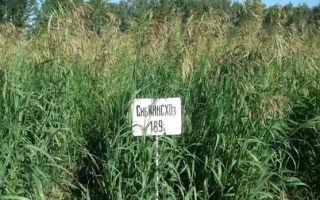
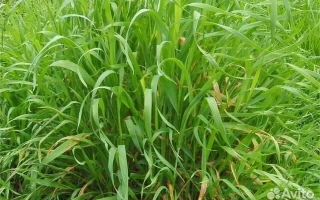
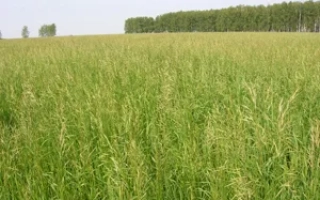
Kosteets bezostyy «Ulyanovsky 1» is a grass crop intended for forage and haymaking. The variety is characterized by a thin-stemmed structure with high leafiness (40‑50%) and good seed productivity. The bushiness is 30‑40 stems per bush, which ensures dense planting and good yield potential.Soil requirements for «Ulyanovsky 1» are quite broad: the plant grows successfully on various soil types, inc…
Assignment
Feed, For Hay
Registration year
1972
Description
Kosteets bezostyy «Ulyanovsky 1» is a grass crop intended for forage and haymaking. The variety is characterized by a thin-stemmed structure with high leafiness (40‑50%) and good seed productivity. The bushiness is 30‑40 stems per bush, which ensures dense planting and good yield potential.
Soil requirements for «Ulyanovsky 1» are quite broad: the plant grows successfully on various soil types, including wet lowlands, drained marshes, and river floodplains. It withstands prolonged flooding up to 40 days and responds well to irrigation and high fertilizer doses, making it suitable for cultivation in humid conditions.
Climate conditions: the variety belongs to the steppe group, possesses high drought resistance and resistance to adverse climatic factors. The vegetation period from spring regrowth to the first cut is 70‑85 days, and to full seed maturity – 93‑104 days. Winter hardiness is high.
Nutritional properties: crude protein content in hay reaches 9‑10%. The green mass of the first yield portion is more nutritious than in the second year; protein content exceeds the standard by 0.8%.
Yield: average hay yield – 57.2 c/ha, seeds – 4.1 c/ha, green mass for three cuts – 388 c/ha. The plant reaches maximum productivity in the second year of life and recovers quickly after mowing, allowing to obtain two cuts per year for hay or three for green feed.
Advantages: high yield, drought resistance and disease resistance (weak rust damage), good adaptability to various soil conditions, possibility of use as both a haymaking crop and pasture feed. The variety is widely used in agriculture for cattle supplementation and creation of feed mixtures.
Soil requirements for «Ulyanovsky 1» are quite broad: the plant grows successfully on various soil types, including wet lowlands, drained marshes, and river floodplains. It withstands prolonged flooding up to 40 days and responds well to irrigation and high fertilizer doses, making it suitable for cultivation in humid conditions.
Climate conditions: the variety belongs to the steppe group, possesses high drought resistance and resistance to adverse climatic factors. The vegetation period from spring regrowth to the first cut is 70‑85 days, and to full seed maturity – 93‑104 days. Winter hardiness is high.
Nutritional properties: crude protein content in hay reaches 9‑10%. The green mass of the first yield portion is more nutritious than in the second year; protein content exceeds the standard by 0.8%.
Yield: average hay yield – 57.2 c/ha, seeds – 4.1 c/ha, green mass for three cuts – 388 c/ha. The plant reaches maximum productivity in the second year of life and recovers quickly after mowing, allowing to obtain two cuts per year for hay or three for green feed.
Advantages: high yield, drought resistance and disease resistance (weak rust damage), good adaptability to various soil conditions, possibility of use as both a haymaking crop and pasture feed. The variety is widely used in agriculture for cattle supplementation and creation of feed mixtures.
Video · 4 videos
Suggest a video →Crop & resistance
Crop
Disease resistance
Specifications
| Assignment | |
|---|---|
| Registration year | 1972 |
| Catalog | Catalog → Brome Grass |
| Legal data |
Show · 4
|
| Country | Russia |
Store offers
Prices are updated on loadLoading offers…
Aggregator catalog: prices are collected automatically from store websites, normalized by AI and converted at the current exchange rate. Before ordering, confirm the price and availability on the store's website. This block is not indexed by search engines — the data is loaded after the page opens.
Not yet комментариев. Be the first!
Alternatives
Brome Grass · similar varieties


See also
Often considered together with this variety




Recently viewed
Products you’ve viewed on this site
Reviews · 0