


SKU #74158
·
53 views
Aira
Brome Grass
User rating
0 votes0% positive reviews
No ratings yet — be the first.
Assignment
Feed
Registration year
2010
About product

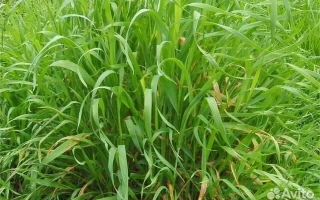
A high-performance perennial brome grass variety offering consistent yield and longevity for up to 7 years.
Assignment
Feed
Registration year
2010
Description
Genetic Potential and Selection of 'Ayra' Brome Grass
Developed by the Institute of Fodder of the NAAS of Ukraine, the 'Ayra' variety represents a specialized solution for establishing long-term, high-yield pastures and hayfields. The breeding program focused on maximizing forage production stability within the variable climatic conditions of Ukraine.
Technical Specifications and Performance Metrics
- Vegetation Dynamics: The variety exhibits high regrowth vigor, allowing for 2–3 full cuts per growing season, which significantly enhances total biomass yield per hectare.
- Root System Architecture: A robust, deep-penetrating root system enables the plant to access subsoil moisture, providing resilience during mid-summer dry spells.
- Stand Density: 'Ayra' is noted for its excellent tillering capacity, forming a dense sod that prevents weed encroachment and withstands grazing pressure.
Operational Benefits for Livestock Farms
The primary advantage of the 'Ayra' variety lies in its longevity. Under proper management, the sward remains productive for 5–7 years, reducing the annual costs and labor associated with reseeding. The biochemical profile of the forage—characterized by optimal protein and fiber ratios—ensures high palatability for livestock, directly impacting milk and meat yield performance. 'Ayra' is an essential component for operations looking to optimize their feed base and minimize long-term operational expenses in forage production.
Crop & resistance
Crop
Specifications
| Assignment | |
|---|---|
| Registration year | 2010 |
| Catalog | Catalog → Brome Grass |
| Legal data |
Show · 1
|
| Country | Ukraine |
Store offers
Prices are updated on loadLoading offers…
Aggregator catalog: prices are collected automatically from store websites, normalized by AI and converted at the current exchange rate. Before ordering, confirm the price and availability on the store's website. This block is not indexed by search engines — the data is loaded after the page opens.
Not yet комментариев. Be the first!
Alternatives
Brome Grass · similar varieties



See also
Often considered together with this variety


Recently viewed
Products you’ve viewed on this site
Reviews · 0