


SKU #62136
·
60 views
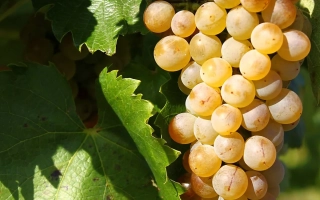
Grape Furmint
Grape
Производственно-аграрное Объединение МассандраUser rating
0 votes0% positive reviews
No ratings yet — be the first.
Usage Group
Technical
Cold Resistance
Low (-18°C and below)
Resistance to Mildew
Low
Resistance to oidium
Low
Store offers · 2 from 2 stores
Prices are updated on loadLoading offers…
Available at: Sadochok · Vinograd Odessa
Aggregator catalog: prices are collected automatically from store websites, normalized by AI and converted at the current exchange rate. Before ordering, confirm the price and availability on the store's website. This block is not indexed by search engines — the data is loaded after the page opens.
About product

A technical variety for creating wines with noble structure, requiring an expert approach to protection and winter covering.
Usage Group
Technical
Cold Resistance
Low (-18°C and below)
Resistance to Mildew
Low
Resistance to oidium
Low
Description
Elegance with Character: Furmint Grape
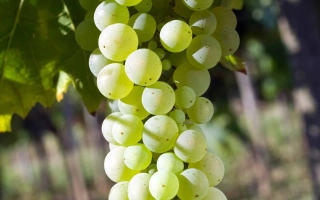
Furmint is a variety with an aristocratic pedigree that occupies a special niche in the portfolio of the 'Massandra' Production and Agricultural Association. This is not a 'commercial' grape for the mass market, but a professional winemaker’s tool that requires deep knowledge and meticulous care. Its value lies in the unique balance of acidity and the ability to accumulate sugars, making it indispensable for crafting high-quality dry and dessert wines.
An Agrotechnical Challenge
If you are accustomed to low-maintenance hybrids, Furmint will require a shift in strategy. It is a variety with low resistance to key pathogens: downy mildew, powdery mildew, and gray rot. In the southern regions, working with it resembles the art of jewelry making:
- Covered Cultivation: With a frost resistance of only -18°C, open-field cultivation is impossible in most climatic zones. Winter vine covering is a mandatory prerequisite for maintaining productivity.
- Plant Protection: Due to its weak natural resistance to diseases, the spray schedule must be strictly preventive and rigorous.
- Care Nuances: The variety is demanding regarding soil types and pruning methods. It does not forgive errors in agricultural techniques, but with proper attention, it yields grapes with excellent sugar accumulation potential (16–20%).
Who is this variety for?
Choosing Furmint from 'Massandra' is justified for estates focused on creating premium wines with distinct individuality. This is not a choice for the amateur—it is a choice for the professional who is ready to invest time and resources into vine care to obtain complex, structured raw material. The ideal use case is the production of aged wines capable of long-term development in the bottle, thanks to the grape's natural acidity and dense berry structure.
Crop & resistance
Crop
Disease resistance
Specifications hover over for a hint about the specification
| Usage Group | |
|---|---|
| Cold Resistance | |
| Resistance to Mildew | |
| Resistance to oidium | |
| Resistance to Gray Mold | |
|
Yield
Yield
Overall bulb harvest per unit area. Depends on both onion variety characteristics and agronomic practices, fertilizers, and irrigation. Under optimal growing conditions, an onion yield of 100 tons per hectare and above is not considered record-breaking. |
Average |
| Sugar Content | Average (16–20%) |
| Zoning | |
| Care Requirement | |
| Assignment | |
| Registration year | 2019 |
| Catalog | Catalog → Grape |
| Manufacturer | Производственно-аграрное Объединение Массандра |
| Legal data |
Show · 4
|
| Country | Russia |
Not yet комментариев. Be the first!
Alternatives
Grapevine saplings · similar varieties




See also
Often considered together with this variety


Recently viewed
Products you’ve viewed on this site
Reviews · 0