
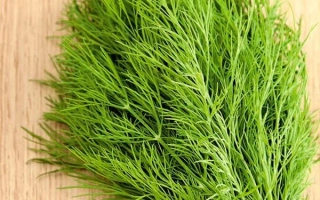


SKU #45566
·
67 views
Dill Aromatic
Dill
Prices in stores
from10.43 €per 1 kg
pack from 0.1 € per 10 g
17 offers from 13 stores
Direction
Leaf
Maturation Period
70-80 days
Registration year
1997
Your mark
0 votes
0% positive ratings
Store offers · 17 from 13 stores
17 offers in 13 stores — from 10.43 € per 1 kg.
Available at: Eco-Sadyba · Gardensber · Greenbob · Lazareva · МОЯ ДАЧА · Розквітай · Semena-online · semenaorg-ru · semku-ru · servis-opt-com-ua · sivok-com-ua · supersad-com-ua · Zakladka
Prices are collected automatically from store websites and converted at the current exchange rate. Check the price and availability on the store website before ordering.
Description
Aromatic dill is an early-maturing variety widely used both for leaf harvesting and for collecting seeds as a spice. The leaves of this dill are tender, juicy, and highly aromatic, making it popular in culinary applications. The yield of leaves ranges from 1.4 to 3.1 kg per square meter, and the yield of seeds ranges from 2.9 to 5.7 kg per square meter. Sowing dill is recommended in open ground at the end of April to early May, with successive sowings every 10-14 days to ensure continuous harvesting of leaves. The seeds of aromatic dill contain essential oil (2-4%), flavonoids, carotene, up to 20% fatty oil, nitrogenous compounds, phytoncides, sugars, and vitamin C. Due to this composition, they exhibit pronounced pharmacological properties: they enhance gastric secretion, have cholagogue, spasmolytic, diuretic, and antispasmodic effects, regulate intestinal motility, and show expectorant properties. These qualities make dill an effective remedy for upper respiratory tract diseases, meteorism, and dyspepsia. For therapeutic purposes, a decoction is prepared from the seeds: 10 grams of seeds are poured with 200 ml of boiled water at room temperature, heated on a water bath for 15 minutes, then steeped for 45 minutes and strained. Adults take the decoction on an empty stomach, warm, 1/5 cup 2-3 times daily; for respiratory tract diseases, the dosage increases to 1/2-1 tablespoon 4-5 times daily. Dosage for children is adjusted according to age. The decoction should be shaken before use. Store dill at a temperature not exceeding 25°C in a place inaccessible to children. Shelf life is 3 years, available without prescription.
Crop & resistance
Crop
Specifications
| Direction | |
|---|---|
| Maturation Period | 70-80 days |
| Registration year | 1997 |
| Catalog | Catalog → Dill |
| Legal data |
Show · 1
|
| Country | Ukraine |
No reviews yet. Be the first to share your experience.
Alternatives
Dill seeds · similar varieties


See also
Often considered together with this variety


SUPERDUKAT OE
Nauchno-proizvodstvennaya firma Rossiyskiye Semena
055 73 offers
4.45 €per 1 kg ≈ 227 ₴


Recently viewed
Products you’ve viewed on this site
Reviews