

SKU #38179
·
50 views
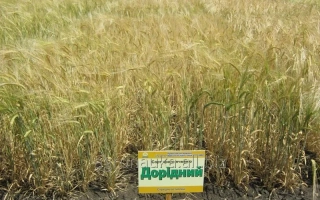
Barley Nadia
Barley
Vegetation Period (Maturity)
80-90 days
Registration year
1998
Your mark
0 votes
0% positive ratings
Store offers · 1 from 1 store
1 offer in 1 store — from 0.22 € per 1 kg.
Available at: Kormobaza
Prices are collected automatically from store websites and converted at the current exchange rate. Check the price and availability on the store website before ordering.
About product
An early-maturing barley variety offering strong resistance to fungal pathogens.
Description
Stability Under Stress
The 'Nadiya' barley variety, developed by the National Academy of Agrarian Sciences (NAAS) of Ukraine, is designed for farmers who prioritize consistent performance in real-world agricultural conditions. Unlike many foreign varieties that require ideal inputs to reach their potential, this variety stands out for its high adaptability to the diverse soil and climatic conditions of Ukraine.
Agronomic Profile and Maturity
A short vegetative period of 80–90 days is the defining advantage of this variety. It allows the crop to avoid mid-summer drought cycles, effectively reaching maturity before peak heat stress sets in. This characteristic ensures stable grain quality and yield even during seasons with limited soil moisture.
Disease Resistance
One of the primary challenges in barley cultivation is susceptibility to fungal diseases, which can reduce yields by up to 30%. The breeding focus for 'Nadiya' included robust natural immunity:
- Helminthosporium: high field tolerance;
- Powdery mildew: excellent resistance against common infections;
- Smut diseases: genetically minimized risk of infection.
Why Choose 'Nadiya'?
'Nadiya' is an ideal choice for growers aiming to minimize fungicide costs without sacrificing quality. It is a reliable tool for agricultural producers who need a high-performing, fast-maturing crop. While the variety performs best with basic fertilization, its natural resilience makes it forgiving of minor variations in management, making it an excellent candidate for sustainable farming systems.
Crop & resistance
Crop
Disease resistance
Specifications
| Vegetation Period (Maturity) | 80-90 days |
|---|---|
| Registration year | 1998 |
| Catalog | Catalog → Barley |
| Legal data |
Show · 1
|
| Country | Ukraine |
No reviews yet. Be the first to share your experience.
Alternatives
Barley seeds · similar varieties




See also
Often considered together with this variety


Recently viewed
Products you’ve viewed on this site
Reviews