


SKU #38191
·
46 views
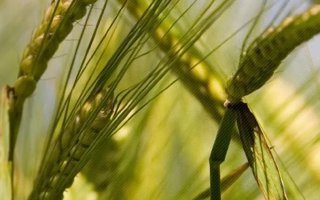
Odessa 151
Barley
User rating
0 votes0% positive reviews
No ratings yet — be the first.
Plant Type
Winter Barley
Plant Height
100-110cm
Seed; mass 1.000seeds
42-44 grams
Registration year
1994
About product

A reliable winter barley variety with strong genetic disease resistance and proven yield potential in dry climates.
Plant Type
Winter Barley
Plant Height
100-110cm
Seed; mass 1.000seeds
42-44 grams
Registration year
1994
Description
Stable yields in arid conditions
Odeskyi 151 is a classic winter barley variety that has long established itself as a reliable "insurance" crop for farms in the southern and eastern regions of Ukraine. Developed by the Plant Breeding and Genetics Institute (PBGI), it is designed for producers who need consistent results in drought-prone environments.
Agrotechnical characteristics
The plant reaches a height of 100–110 cm, ensuring an optimal balance between grain yield and straw. Its moderate growth habit allows the variety to efficiently utilize soil moisture during critical development stages, preventing unnecessary resource expenditure on excessive biomass. The grain is medium-sized, with a thousand-kernel weight (TKW) of 42–44 grams, boasting high hectoliter weight, which is essential for feed and processing applications.
Disease resistance and field management
Agronomists choose Odeskyi 151 primarily for its robust genetic resistance to major pathogens, which streamlines field management:
- Powdery mildew: the variety significantly reduces the need for early-stage fungicide interventions.
- Helminthosporium leaf spot: high genetic resistance helps maintain leaf photosynthetic surface until the grain filling stage.
- Dwarf leaf rust: minimal risk of infection even under high humidity conditions during spring.
Practical application: This barley is ideal for fields where winter hardiness and rapid recovery after the winter dormancy period are critical. Due to its high phenotypic plasticity, it is an excellent choice for farms utilizing extensive or semi-intensive cultivation technologies, allowing growers to effectively mitigate production risks.
Crop & resistance
Crop
Disease resistance
Specifications
| Plant Type | |
|---|---|
| Plant Height | 100-110cm |
| Seed; mass 1.000seeds | 42-44 grams |
| Registration year | 1994 |
| Catalog | Catalog → Barley |
| Legal data |
Show · 1
|
| Country | Ukraine |
Store offers
Prices are updated on loadLoading offers…
Aggregator catalog: prices are collected automatically from store websites, normalized by AI and converted at the current exchange rate. Before ordering, confirm the price and availability on the store's website. This block is not indexed by search engines — the data is loaded after the page opens.
Not yet комментариев. Be the first!
Alternatives
Barley seeds · similar varieties




See also
Often considered together with this variety



Recently viewed
Products you’ve viewed on this site
Reviews · 0