
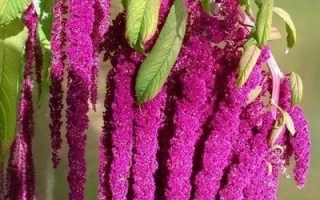

SKU #69537
·
47 views
Svetlana
Amaranth
Фгбоу Во Башкирский Государственный Аграрный УниверситетUser rating
0 votes0% positive reviews
No ratings yet — be the first.
Usage Type
On feed, Decorative
Vegetation Period
90-100
Plant Height
150-200
Leaf Color
Green, Purple
About product

A high-yielding amaranth variety combining excellent fodder value with striking ornamental appeal.
Usage Type
On feed, Decorative
Vegetation Period
90-100
Plant Height
150-200
Leaf Color
Green, Purple
Description
Amaranth "Svetlana": High-Yield Solution from Bashkir State Agrarian University
The "Svetlana" amaranth variety, developed by the Bashkir State Agrarian University (FGBOU VO), is a prime example of adaptive breeding designed for high performance in temperate climates. This variety has carved out a distinct market niche by bridging the gap between high-value fodder production and ornamental aesthetic appeal.
Technical Specifications and Field Performance
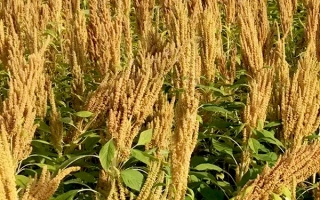
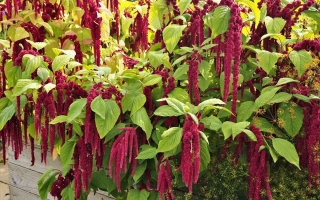
With a vegetation period of 90–100 days and a height ranging from 150 to 200 cm, "Svetlana" is optimized for rapid biomass accumulation. The variety is characterized by green foliage with vibrant purple hues and striking red inflorescences, making it equally effective in a livestock feed program or as a statement plant in landscape design. Its most significant asset is the potential green mass yield, which ranges between 40 and 80 tons per hectare, making it a reliable crop for silage, haylage, or vitamin-rich grass meal production.
- Fodder Efficiency: Rich in nutrients, this variety serves as an excellent component for high-quality animal feed rations.
- Agronomic Profile: With a thousand-grain weight of 0.6–0.7g, "Svetlana" requires precision in seedbed preparation to ensure optimal plant density.
- Versatility: Its dual-purpose nature—industrial fodder and ornamental use—provides agricultural producers with more flexibility.
The reputation of the "Svetlana" variety is built upon the robust breeding standards of the Bashkir State Agrarian University. It is a preferred choice for producers who prioritize genetic stability and biological plasticity. Capable of performing across various soil types, this amaranth variety delivers its full potential even under variable agro-climatic conditions, securing its place as a reliable tool for modern agriculture.
Video · 1 video
Suggest a video →Crop & resistance
Crop
Specifications
| Usage Type | |
|---|---|
| Vegetation Period | 90-100 |
| Plant Height | 150-200 |
| Leaf Color | |
| Flower Color | |
| Weight of 1000 seeds, g | 0.6, 0.7 |
| Potential green mass yield (t/ha) | 40-50, 50-60, 60-80 |
| Grain Assignment | |
| Assignment of green mass | |
| Registration year | 2014 |
| Catalog | Catalog → Amaranth |
| Manufacturer | Фгбоу Во Башкирский Государственный Аграрный Университет |
| Country | Russia |
Store offers
Prices are updated on loadLoading offers…
Aggregator catalog: prices are collected automatically from store websites, normalized by AI and converted at the current exchange rate. Before ordering, confirm the price and availability on the store's website. This block is not indexed by search engines — the data is loaded after the page opens.
Not yet комментариев. Be the first!




See also
Often considered together with this variety





Recently viewed
Products you’ve viewed on this site
Reviews · 0