


SKU #69561
·
66 views
Valentina
Amaranth
User rating
0 votes0% positive reviews
No ratings yet — be the first.
Usage Type
Sheet (Lettuce), Universal
Plant Height
100-150
Leaf Color
Purple, Speckled (red-green)
Flower Color
Purple
Store offers · 1 from 1 stores
Prices are updated on loadLoading offers…
Available at: Цветок Шоп
Aggregator catalog: prices are collected automatically from store websites, normalized by AI and converted at the current exchange rate. Before ordering, confirm the price and availability on the store's website. This block is not indexed by search engines — the data is loaded after the page opens.
About product

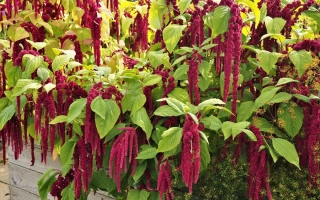
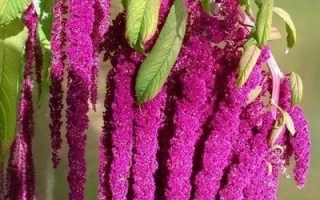
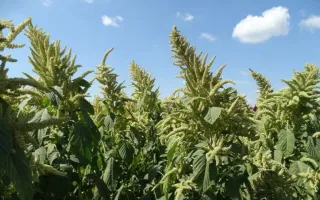
Amaranth variety «Valentina» is an early-maturing vegetable crop with high yield and low maintenance requirements. The plant reaches a height of 100 to 170 cm, features an upright stem with densely leafy shoots, red-purple leaves, and purple flower clusters. The yield of greens can reach up to 4.5 kg per square meter. Amaranth adapts well to various soil conditions, including acidic, sandy, and sa…
Usage Type
Sheet (Lettuce), Universal
Plant Height
100-150
Leaf Color
Purple, Speckled (red-green)
Flower Color
Purple
Description
Amaranth variety «Valentina» is an early-maturing vegetable crop with high yield and low maintenance requirements. The plant reaches a height of 100 to 170 cm, features an upright stem with densely leafy shoots, red-purple leaves, and purple flower clusters. The yield of greens can reach up to 4.5 kg per square meter. Amaranth adapts well to various soil conditions, including acidic, sandy, and saline soils, and is resistant to short periods of severe weather and autumn frosts. The culture requires warmth and light but is easy to grow. The leaves and young greens of amaranth «Valentina» are rich in vitamins E, C, carotenoids, and contain plant-based easily digestible protein, macro- and microelements such as potassium, phosphorus, calcium, iron, and magnesium. Due to its composition, the plant is widely used in cooking for preparing salads, seasonings, soup bases, and beverages. Flowering plants are dried for use in tea and as a natural red-purple food coloring. Amaranth is valued for its beneficial amino acids and biologically active substances, making it in demand in folk medicine and cosmetology. Besides food use, amaranth «Valentina» is used as a biologically active supplement and raw material for producing medicinal products. Its cultivation contributes to soil improvement, as the plant can be used as a cover crop. Thus, the variety «Valentina» combines high productivity, versatility, and beneficial properties, making it a profitable and practical choice for growing both at home and in agriculture.
Video · 1 video
Suggest a video →Crop & resistance
Crop
Specifications
| Usage Type | |
|---|---|
| Plant Height | 100-150 |
| Leaf Color | |
| Flower Color | |
| Potential green mass yield (t/ha) | 40-50 |
| Assignment of green mass | |
| Registration year | 1999 |
| Catalog | Catalog → Amaranth |
| Legal data |
Show · 9
|
| Country | Russia |
Not yet комментариев. Be the first!




See also
Often considered together with this variety



Recently viewed
Products you’ve viewed on this site
Reviews · 0