
Red clover
Trifolium pratense x Trifolium medium
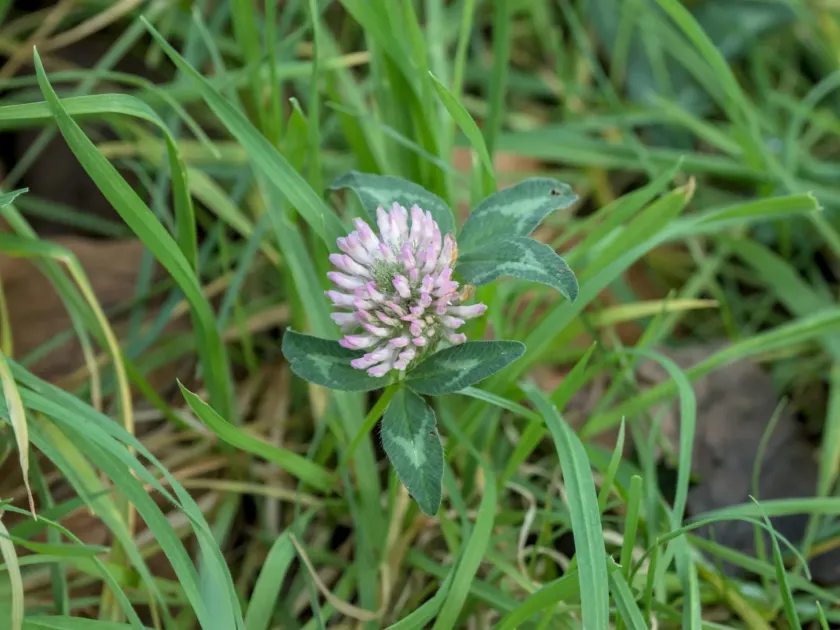
Description
Sowing dates
Red clover is typically sown in early spring, allowing the seeds to utilize soil moisture effectively to establish strong roots before the onset of summer heat.
Late summer sowing is also a viable option in regions with adequate moisture, which helps the plants establish a healthy rosette before the winter dormant season.
The seeding rate varies based on the method of establishment, generally ranging from 12 to 16 kilograms per hectare for uniform crop density.
Sowing under a companion crop like small grains is a common practice that provides protection from wind and sun while suppressing initial weed competition.
Proper seed placement at a depth of 1–2 cm in heavier soils ensures better moisture contact, which is critical for consistent germination and seedling survival.
Growing requirements
Red clover is a perennial legume that thrives in fertile, well-drained loamy soils and requires sufficient moisture levels throughout the growing season.
The crop is well-adapted to temperate climates and demonstrates excellent winter hardiness, provided it is grown in appropriate soil conditions without excessive acidity.
Soil pH management is essential for red clover, as acidic soils hinder the nitrogen-fixing activity of the symbiotic Rhizobium bacteria associated with the roots.
Nutrient requirements include significant amounts of phosphorus and potassium, which should be incorporated into the soil profile prior to planting for optimal results.
While red clover is relatively resilient, it performs best in soils with high organic matter content, which supports the overall productivity of the forage stand.
Yield
The forage yield of red clover is highly dependent on environmental conditions and management practices, typically yielding 200–400 quintals per hectare annually.
Optimizing irrigation and nutrient delivery systems can lead to higher biomass production, particularly in intensive agricultural systems aiming for multiple harvests.
Seed production is highly reliant on pollinator activity, such as bumblebees and honeybees, which are necessary for proper fertilization of the clover florets.
Peak biomass yield is usually observed in the second and third years of the stand life, after which the field should be rotated to other crops.
Effective management involves maintaining high nutritional density by harvesting at the correct physiological stage of the plant's development.
Main diseases and pests
Common diseases such as anthracnose, Rhizoctonia, and Sclerotinia can severely impact plant health, especially in high-humidity conditions during the active growth phase.
Fusarium root rot remains a persistent threat, particularly in fields with poor drainage, which stresses the plants and increases their susceptibility to infections.
Viral pathogens, including those related to tomato mosaic or tobacco mosaic, may affect clover stands, leading to reduced vigor and yield degradation.
Insect pests like clover seed weevils and nematodes can cause significant damage to the plant's structural integrity and reproductive organs.
- Use of disease-resistant clover varieties.
- Implementation of diverse crop rotations.
- Timely scouting for pest outbreaks.
- Proper soil drainage to prevent fungal growth.
Harvesting
To maximize protein and nutrient content, harvesting for hay should occur at the early bloom stage, when the plant is most nutritionally dense.
For haylage production, maintaining optimal moisture levels during the wilting process is critical to ensure proper ensiling and prevent nutrient loss.
A minimum cutting height of 5–7 cm is recommended to encourage rapid regrowth and to protect the plant's crown from mechanical damage during harvest.
When harvesting for seeds, desiccation may be used to synchronize maturity and improve the efficiency of mechanical combining in the field.
Post-harvest storage requires strict moisture control to prevent heating, mold development, and the subsequent loss of seed viability or forage quality.