
Description
Symptoms
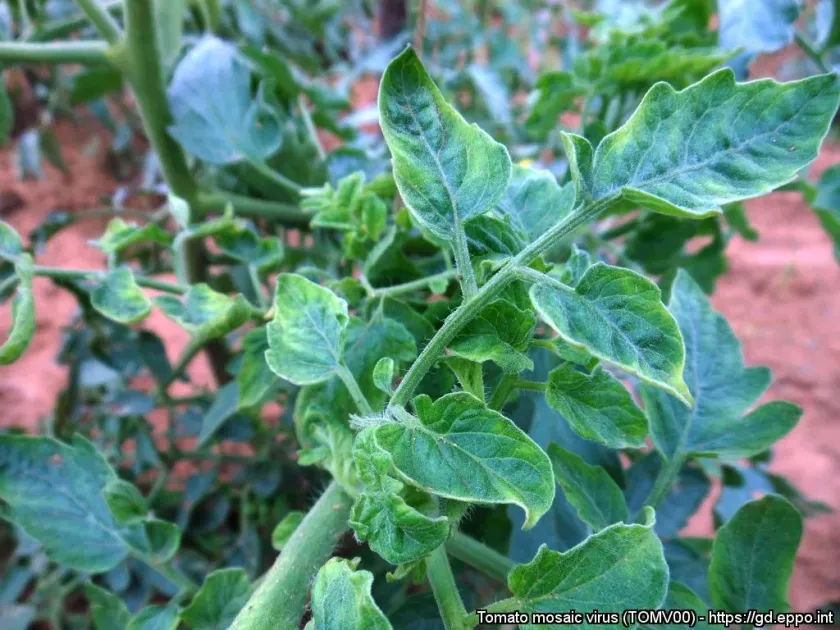
Mosaic disease is primarily characterized by a mottled appearance on the leaves, where light green or yellow patches alternate with darker green areas. This pattern is caused by the inhibition of chlorophyll development in the cells infected by the virus.
In addition to discoloration, plants often display various physical deformities. This includes leaf curling, wrinkling, or the development of thin, string-like foliage. Stunted growth is common, significantly reducing the overall size and vigor of the plant.
Fruits and flowers may also show symptoms, such as necrotic spots, chlorotic rings, or irregular color patterns (breaking). These visible signs often emerge during periods of active plant growth and rapid tissue expansion.
In leguminous crops like red clover (Trifolium pratense), mosaic symptoms manifest as yellow spotting and general loss of vitality. Affected clover plants are often outcompeted by healthy vegetation in mixed pasture systems.
Microscopic symptoms include cellular disruption and the destruction of chloroplasts. These changes hinder the plant's ability to perform photosynthesis efficiently, leading to a breakdown in energy metabolism.
Pathogen
Mosaic disease is caused by a wide range of viruses, including those from the Potyviridae and Bromoviridae families. These pathogens are obligate parasites that rely entirely on the host plant's cellular machinery to replicate.
The Clover yellow mosaic virus, a member of the Potexvirus genus, is a significant pathogen for forage legumes. It is highly contagious and spreads through mechanical contact, such as farm equipment or grazing animals.
Insects, particularly aphids, leafhoppers, and thrips, act as primary vectors. By feeding on the phloem of infected plants, these insects acquire the virus and transmit it to healthy tissue during their next feeding cycle.
Viruses often persist in perennial weeds, which act as asymptomatic reservoirs throughout the winter. These weeds provide a continuous source of infection for the upcoming growing season.
The ability of viruses to mutate and develop new strains is a significant challenge. Genetic recombination within the host plant allows the virus to adapt quickly to different environmental conditions and host varieties.
Conditions for development
The spread of mosaic disease is heavily influenced by environmental conditions that favor the proliferation of insect vectors. Warm, humid weather is ideal for aphid populations, which increases the incidence of viral transmission.
The presence of wild reservoir plants near agricultural plots poses a constant threat. Weeds that host the virus ensure that the pathogen remains present in the landscape even when the target crops are not actively growing.
Mechanical injury caused by weather events or human activity serves as a primary entry point for viruses. Wounds allow the virus to bypass the plant's natural defenses and enter the vascular system.
Inadequate crop rotation contributes to the build-up of viral pathogens in the soil and local plant debris. Repeatedly planting susceptible crops in the same area creates a high-risk environment for reinfection.
The use of infected seeds is a critical factor in the long-distance spread of the disease. If the seed source is compromised, the infection is established at the very beginning of the plant's life cycle.
Why it matters
Mosaic disease causes substantial economic harm by reducing crop yields. Because the virus interferes with photosynthesis, the plants produce less biomass and exhibit lower overall productivity, often by 20% to 50%.
Product quality is severely compromised, as the fruit and foliage lose essential nutrients and sugars. In the case of clover and other forage crops, the nutritional value for livestock is significantly degraded.
Infected plants display a weakened immune system, making them more susceptible to drought, heat stress, and nutrient deficiencies. They also face a higher risk of secondary infections from opportunistic fungi and bacteria.
The aesthetic damage caused by the disease can lead to the rejection of products for market sale. This forces farmers to dispose of entire batches, leading to direct financial losses and resource waste.
Persistent infection in a field depletes soil resources, as plants fail to reach their full potential. This impact on plant physiology can have long-term consequences for the health of the entire field ecosystem.
Protection
The most effective strategy for managing mosaic disease is the use of disease-resistant or tolerant crop varieties. Breeding programs focus on identifying and incorporating resistance genes to mitigate viral impact.
Strict sanitation protocols are essential, including the removal and destruction of infected plants as soon as symptoms appear. Maintaining a weed-free environment around fields reduces the availability of viral reservoirs.
Controlling vector populations, such as aphids and thrips, through timely insecticide application or natural biological control, is crucial to breaking the transmission cycle of the virus.
Implementing spatial isolation between new crops and known infection zones helps minimize the risk of viral spread. Following a disciplined crop rotation schedule prevents the build-up of pathogens.
Disinfecting tools and machinery between different areas of the field prevents the mechanical transmission of the virus. Furthermore, farmers should always source high-quality, certified, disease-free seeds.
Pathogens and affected parts
Affects crops · 1
Discussion
No discussions yet — be the first.