
Description
Symptoms
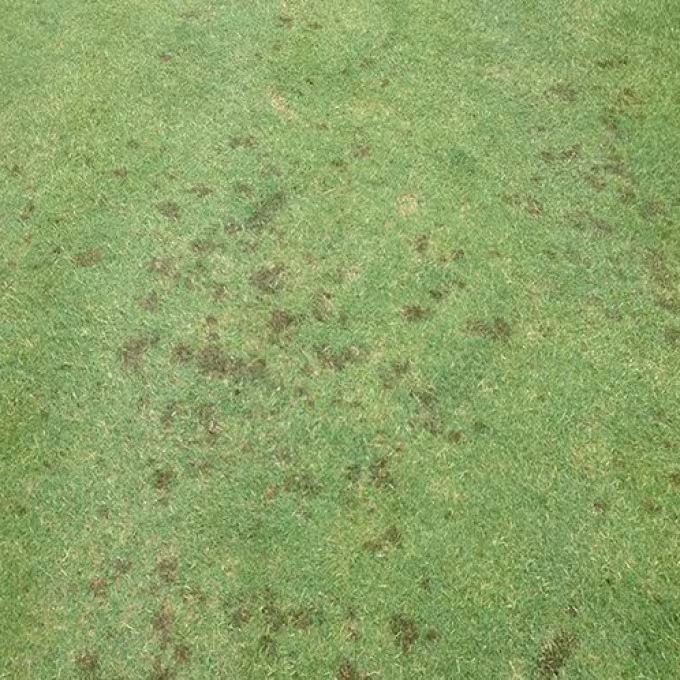
Symptoms typically manifest as small, dark brown to black spots on the leaves. These spots can vary in shape, often appearing round or irregularly oblong as they expand.
A distinctive feature is the presence of a dark, often purplish or black border surrounding the central necrotic lesion. As the disease progresses, these spots often coalesce.
Under conditions of high humidity, a velvety or soot-like mold may appear on the surface of the lesions. This growth is the reproductive structure of the fungus, producing masses of new spores.
Infected leaves generally show signs of chlorosis, followed by necrosis and premature senescence. The loss of functional leaf area directly impacts the plant's ability to undergo photosynthesis.
Severe infestations can lead to the infection of stems and petioles. This systemic-like spread often results in the wilting or curling of leaves and a general decline in plant vigor.
Pathogen
The disease is caused by the fungus Curvularia trifolii. It belongs to the group of hyphomycetes, characterized by the production of dark, multi-celled conidia that are adapted for survival and dissemination.
This pathogen functions as a weak parasite or saprophyte on various legumes. It primarily targets red clover, though it can occasionally infect other related forage crops under specific conditions.
The fungus overwinters in crop residues and the soil surface. Its ability to persist as mycelium in dead plant material ensures that the inoculum is present for the next growing season.
Spore production is prolific, with conidia being disseminated primarily by wind, splashing rain, and agricultural machinery, allowing the pathogen to move quickly across a field.
Understanding the biology of Curvularia trifolii is essential, as its adaptability to various environmental stresses makes it a persistent challenge in clover production systems.
Conditions for development
High humidity and moisture are the primary drivers of Curvularia trifolii infection. Frequent rainfall, heavy dew, or prolonged periods of leaf wetness are essential for spore germination.
Optimal temperatures for development range from 20°C to 28°C. However, the pathogen is versatile and can continue to infect plants over a broad range of mild to warm temperatures.
Poor air circulation within the stand is a major contributing factor. Dense clover stands trap moisture near the ground, creating a microclimate that is perfectly suited for fungal growth.
Plants that are physiologically stressed due to nutrient deficiencies (especially potassium) or insect damage are significantly more susceptible to infection and secondary disease outbreaks.
Human activity, including mowing or traffic within the field during wet conditions, can easily spread spores from diseased patches to healthy parts of the crop.
Why it matters
The primary economic harm is the reduction in forage yield and quality. Infected clover loses its leaves, which are the most nutritious parts of the plant, thus lowering the protein content.
Livestock may experience reduced intake of contaminated forage, and in severe cases, the presence of mycotoxins produced by the fungus can pose risks to animal health and performance.
The disease causes the stand to thin out over time. This loss of crop cover encourages the invasion of undesirable weeds, further complicating field management and future maintenance.
On seed-production plots, the fungus can infect flowers and developing pods, leading to significant yield losses and lower germination rates for the harvested seed lot.
Frequent occurrences of the disease necessitate early replanting of the crop, which represents a substantial loss of investment and time for the producer.
Protection
Crop rotation is the most effective cultural control. Maintaining a break of at least 3 years between clover plantings helps reduce the population of the pathogen in the soil.
Selecting resistant clover varieties is a vital management strategy. Breeders focus on traits that limit the entry and spread of the fungus within the leaf tissue.
Proper field management, including appropriate seeding rates to ensure good airflow, is essential to minimize the leaf wetness duration that the pathogen requires for success.
Chemical control with fungicides can be effective but should be used as part of an integrated program. Timing applications to match the onset of favorable disease weather is critical.
- Removal and destruction of infected crop debris.
- Balanced fertilization to promote strong plant defenses.
- Frequent field scouting to detect early outbreaks.
Pathogens and affected parts
Affects crops · 1
Discussion
No discussions yet — be the first.