
Bladder clover
Trifolium spumosum L.
Description
Growing requirements
Bladder clover (Trifolium spumosum L.) belongs to the Fabaceae family. It is an annual forage legume native to the Mediterranean region, adapted to the specific challenges of that environment including periodic drought.
The plant thrives in Mediterranean-type climates with mild, wet winters and warm, dry springs. It is highly valued for its ability to produce significant biomass under conditions where other, more water-demanding crops might fail.
Soil requirements for optimal growth include well-drained, fertile soils with a neutral or slightly alkaline pH. It generally performs poorly in heavy, waterlogged clay soils, preferring sandy loam textures that facilitate root development.
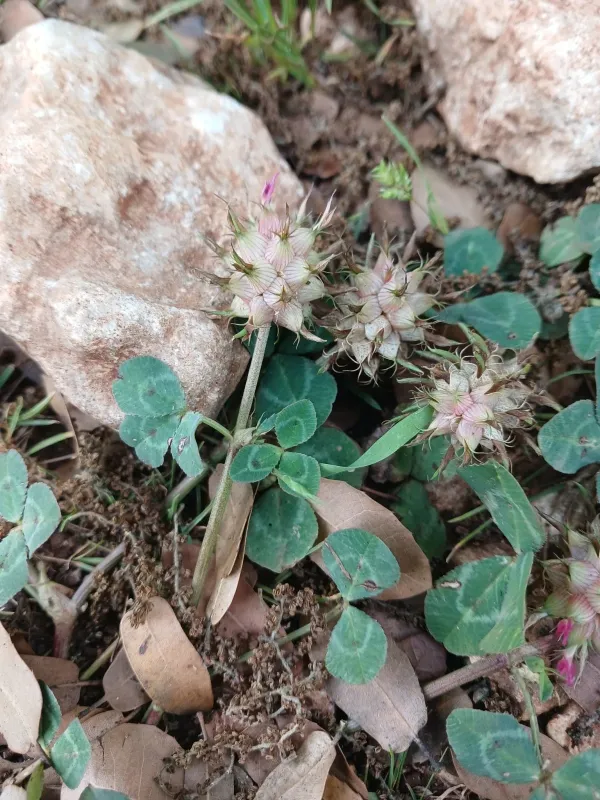
Botanically, Trifolium spumosum is recognized by its unique, inflated (bladder-like) calyces at maturity, which protect the seeds. The plants are typically low-growing and branched, forming a robust canopy that helps suppress weeds.
Agriculturally, this species is utilized as a valuable component of pasture systems and hay production. It plays a significant role in sustainable agriculture by fixing atmospheric nitrogen, thereby improving soil fertility for subsequent crops in a rotation.
Main diseases and pests
The crop is susceptible to a range of fungal diseases typical of the genus Trifolium, such as powdery mildew, anthracnose, and various rusts. Good crop rotation and spacing are essential to reduce inoculum buildup.
Insect pests, particularly weevils of the Sitona genus, represent a major threat during the seedling stage. These insects feed on both the root nodules and the foliage, potentially leading to significant stand thinning if left unmanaged.
Aphids can also cause problems by sucking plant sap and potentially transmitting viral diseases. Early detection and the maintenance of a healthy, vigorous crop stand are the primary defenses against these pests.
Root rot fungi can become problematic in soils with poor drainage. Implementing proper tillage practices and selecting field sites with excellent water percolation is key to mitigating these soil-borne threats.
Integrated Pest Management (IPM) strategies, including the use of resistant varieties where available and timely monitoring, are recommended to maintain high yield levels while minimizing the environmental footprint of pest control.